
 By Jeevan Deep
Trauma Emergency Care in Patna , What Happens After a Serious Injury?
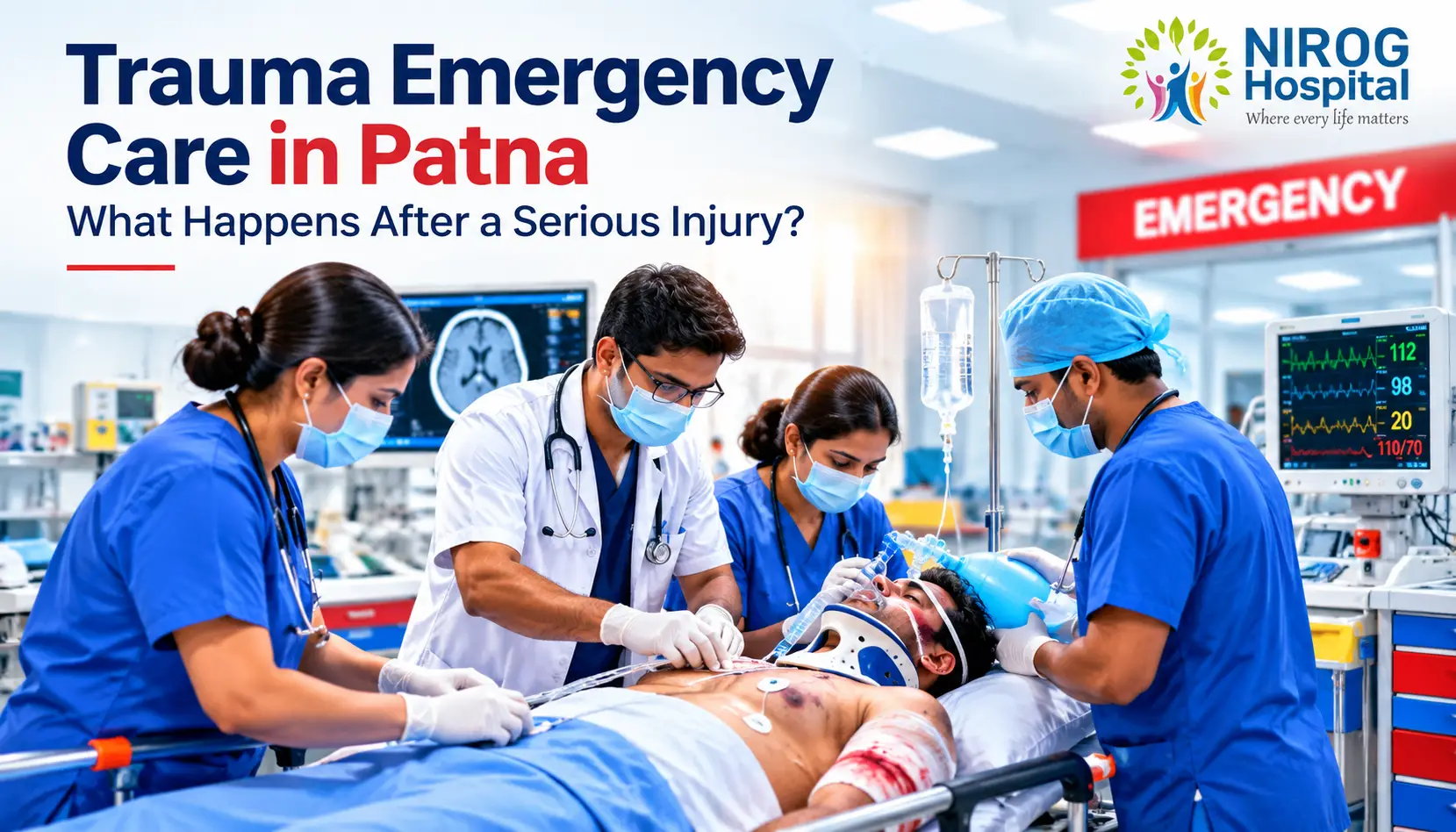
A serious injury can require immediate medical assessment, stabilization, diagnostic testing and sometimes emergency surgery or intensive care. After an accident, fall, head injury, fracture or other major trauma, the first priority is to identify and treat conditions that could become life-threatening. This guide explains what happens during trauma emergency care in Patna, what tests may be performed, when surgery or ICU care may be required, and what patients and families can expect during the recovery process.

What Is Trauma Emergency Care?
Trauma emergency care is specialized medical care for people who have suffered significant physical injuries. These injuries may result from road traffic accidents, falls, workplace incidents, sports injuries, burns, violence or other accidents.
Depending on the severity of the injury, emergency care may involve doctors from emergency medicine, critical care, orthopedics, surgery, neurology, radiology and other specialties. Nirog Hospital provides critical care and ICU services in Patna for critically ill patients, including emergency and trauma cases.
Severe injuries can affect several parts of the body at the same time. For this reason, trauma management often requires coordinated assessment rather than treatment of only the most obvious injury.
What Happens in the First Few Minutes?
When a seriously injured patient reaches an emergency department, the medical team first looks for immediate threats to life. The initial assessment may focus on the airway, breathing, circulation, bleeding, neurological condition and possible spinal injuries.
The team may also check vital signs, level of consciousness, oxygen levels and visible injuries while quickly deciding which investigations or treatments are needed.
The Government of India Standard Treatment Guidelines for Major Trauma describe structured approaches to airway, breathing, circulation, bleeding control, imaging and monitoring in major trauma.
Step 1 Emergency Triage and Stabilization
Triage helps the emergency team determine how urgently a patient needs treatment. A person with severe bleeding, breathing difficulty, shock, altered consciousness or major head injury may require immediate intervention.
Stabilization can include oxygen support, intravenous access, bleeding control, fluid or blood-product management when indicated, pain control and continuous monitoring. Patients with severe trauma may require transfer to an ICU or operating theatre depending on their condition.
Nirog Hospital's General Medicine department can provide medical assessment and coordinated physician support when medical conditions accompany an injury.
Step 2 Diagnostic Tests After a Serious Injury
Once the patient is sufficiently stabilized, doctors may order diagnostic tests to identify internal injuries, fractures, bleeding or damage to organs and tissues.
Depending on the injury, investigations may include:
- Blood tests
- Digital X-ray
- Ultrasound or FAST examination when appropriate
- CT scan
- MRI scan for selected injuries
- Other specialized investigations based on symptoms
Imaging should be selected according to the patient's clinical condition and the suspected injury. Nirog Hospital's Radiology department in Patna provides X-ray, ultrasound, CT, MRI and other diagnostic imaging services, including trauma imaging.

Step 3 Checking for Head and Brain Injuries
A head injury may require urgent neurological assessment, particularly when the patient has loss of consciousness, repeated vomiting, confusion, seizures, weakness, severe headache or changes in behavior.
Doctors may assess consciousness, pupil responses, movement, sensation and other neurological functions. CT or MRI may be recommended depending on the injury and clinical findings.
Nirog Hospital's Neurology services in Patna provide neurological evaluation and diagnostic support for emergency neurological conditions.
Step 4 Fracture and Orthopedic Assessment
Serious accidents frequently cause fractures, dislocations, ligament injuries and other musculoskeletal problems. A visible deformity, severe pain, swelling, inability to bear weight or loss of normal movement may require urgent orthopedic evaluation.
Treatment can include immobilization, casting, pain management, reduction of a dislocation or surgery when clinically necessary.
Nirog Hospital's Orthopedics department in Patna provides evaluation and treatment for fractures, trauma-related injuries and other orthopedic conditions.

When Is Emergency Surgery Needed?
Not every serious injury requires surgery. The decision depends on the type and severity of the injury, imaging findings, bleeding, organ damage, fractures and the patient's overall condition.
Emergency surgery may be considered for situations such as uncontrolled internal bleeding, certain abdominal or chest injuries, severe fractures, traumatic wounds or other injuries that cannot be safely managed with non-surgical treatment.
When an operation is required, Nirog Hospital's General and Laparoscopic Surgery department provides surgical evaluation and treatment, supported by operating theatres and critical-care facilities.
Role of Anaesthesia During Trauma Surgery
Patients requiring emergency surgery may need anaesthesia for pain control, surgical procedures and safe management during the operation. The anaesthesia team also assesses the patient's medical condition and monitors vital functions before, during and after surgery.
Emergency patients can have additional risks because they may have blood loss, dehydration, breathing problems or other injuries. Anaesthetic planning therefore depends on the patient's condition and the urgency of the procedure.
Nirog Hospital provides Anaesthesia services in Patna, including general, regional and spinal anaesthesia and perioperative monitoring.
When Does a Trauma Patient Need ICU Care?
ICU care may be required when an injury affects vital organs or when the patient needs continuous monitoring or advanced life support. Possible reasons include severe head injury, shock, respiratory failure, major bleeding, multiple injuries or complications following emergency surgery.
Critical care may involve continuous monitoring of heart rate, blood pressure, oxygen levels, neurological status and other important parameters. Some patients may also require ventilator support or other organ-support treatments.
Nirog Hospital's Critical Care and ICU department describes support for road traffic injuries, head injuries, polytrauma, shock and emergency stabilization.
What Happens After the Patient Is Stabilized?
Once immediate threats have been addressed, doctors can focus on definitive treatment and recovery planning. The patient may remain in the emergency department, move to an operating theatre, be admitted to a ward or require ICU care.
The next steps depend on the injuries identified during examination and diagnostic testing. Treatment may involve medication, wound care, fracture management, surgery, observation or rehabilitation.
Patients and families can use the Nirog Hospital doctors page to review the available specialists involved in different areas of medical and surgical care.
Recovery After a Serious Injury
Recovery from major trauma can vary significantly. A patient with an uncomplicated fracture may recover differently from someone with multiple injuries, a head injury or major surgery.
Recovery may involve pain management, wound care, mobility exercises, nutritional support, follow-up imaging and rehabilitation. The rehabilitation plan is adjusted according to the patient's injuries and functional needs.
Nirog Hospital's Physiotherapy services in Patna include fracture rehabilitation, post-operative physiotherapy, mobility work and recovery support after injuries.
Warning Signs That Need Urgent Medical Attention
Some symptoms after an accident can indicate a serious or worsening injury. Emergency medical attention is particularly important when a person develops:
- Loss of consciousness or increasing drowsiness
- Difficulty breathing
- Severe or uncontrolled bleeding
- Repeated vomiting after a head injury
- Seizures
- Sudden weakness or numbness
- Severe chest or abdominal pain
- Confusion or unusual behavior
- Severe neck or back pain
- Inability to move a limb normally
If a serious injury is suspected, do not delay emergency medical evaluation while trying to determine the diagnosis at home.
How Families Can Prepare for Trauma Care
In an emergency, families can help by providing important information to the medical team as quickly as possible.
- Tell doctors how and when the injury occurred.
- Provide information about loss of consciousness or seizures.
- Share known medical conditions and allergies.
- Provide a list of regular medicines if available.
- Bring previous medical records when practical.
- Tell the medical team about blood-thinning medicines or other important medications.
Families should avoid giving food or drink to an unconscious or seriously injured patient unless instructed by medical professionals, particularly when emergency surgery or anaesthesia may be required.
Trauma Emergency Care in Patna at Nirog Hospital
Nirog Hospital describes itself as a multispeciality and trauma centre in Patna with 24/7 emergency and trauma services, ICU support, diagnostics and specialist care. Its emergency and critical-care services can coordinate with surgical, orthopedic, neurological and other departments according to the patient's needs.
For patients and families looking for information about hospital services, the Nirog Hospital patient FAQ provides information about emergency services, appointments, insurance and other patient-support questions.
The hospital's treatment directory also provides an overview of its medical and surgical departments and services.
How to Choose a Trauma Hospital in Patna
When choosing a hospital for serious injury, families can consider whether the facility has access to emergency assessment, diagnostic imaging, surgery, ICU support and relevant specialists.
- 24/7 emergency availability
- Critical-care and ICU support
- Access to diagnostic imaging
- Orthopedic and surgical services
- Neurological assessment when required
- Anaesthesia support for emergency procedures
- Post-operative and rehabilitation services
- Coordinated specialist care
Quality and safety systems are also important considerations when evaluating healthcare facilities. The NABH Hospitals Accreditation Programme describes standards covering areas such as patient care, infection control, patient safety and facility management.
Final Thoughts
Trauma emergency care in Patna involves rapid assessment, stabilization, diagnostic testing and treatment according to the severity and type of injury. Some patients may require emergency surgery or ICU monitoring, while others may need fracture management, wound care, medication and rehabilitation.
After a serious accident or injury, timely professional assessment is important because some internal injuries may not be immediately obvious. If you suspect a life-threatening injury, seek emergency medical care rather than delaying treatment for online research.
Related Treatments & Services
Specialized medical departments and care related to this article at Nirog Hospital:
Frequently Asked Questions
Quick answers to common questions regarding this topic
Q. When is surgery needed after a serious injury?
Q. Can a serious injury require ICU care?
Q. How long does recovery take after a serious injury?
Q. What should I do if someone has a serious injury?
Q. Does Nirog Hospital provide emergency and trauma care in Patna?
Q. What happens after a trauma patient is stabilized?
Related Tags:
Jeevan Deep
Healthcare Content Writer
Jeevan Deep is a healthcare content writer focused on creating clear, informative, and patient-friendly content on medical conditions, treatments, procedures, and healthcare services. The content is developed to help patients and families better understand their healthcare options and make informed decisions.