
 By Jeevan Deep
Cancer Diagnosis in Patna Tests, Screening, Biopsy & What to Expect
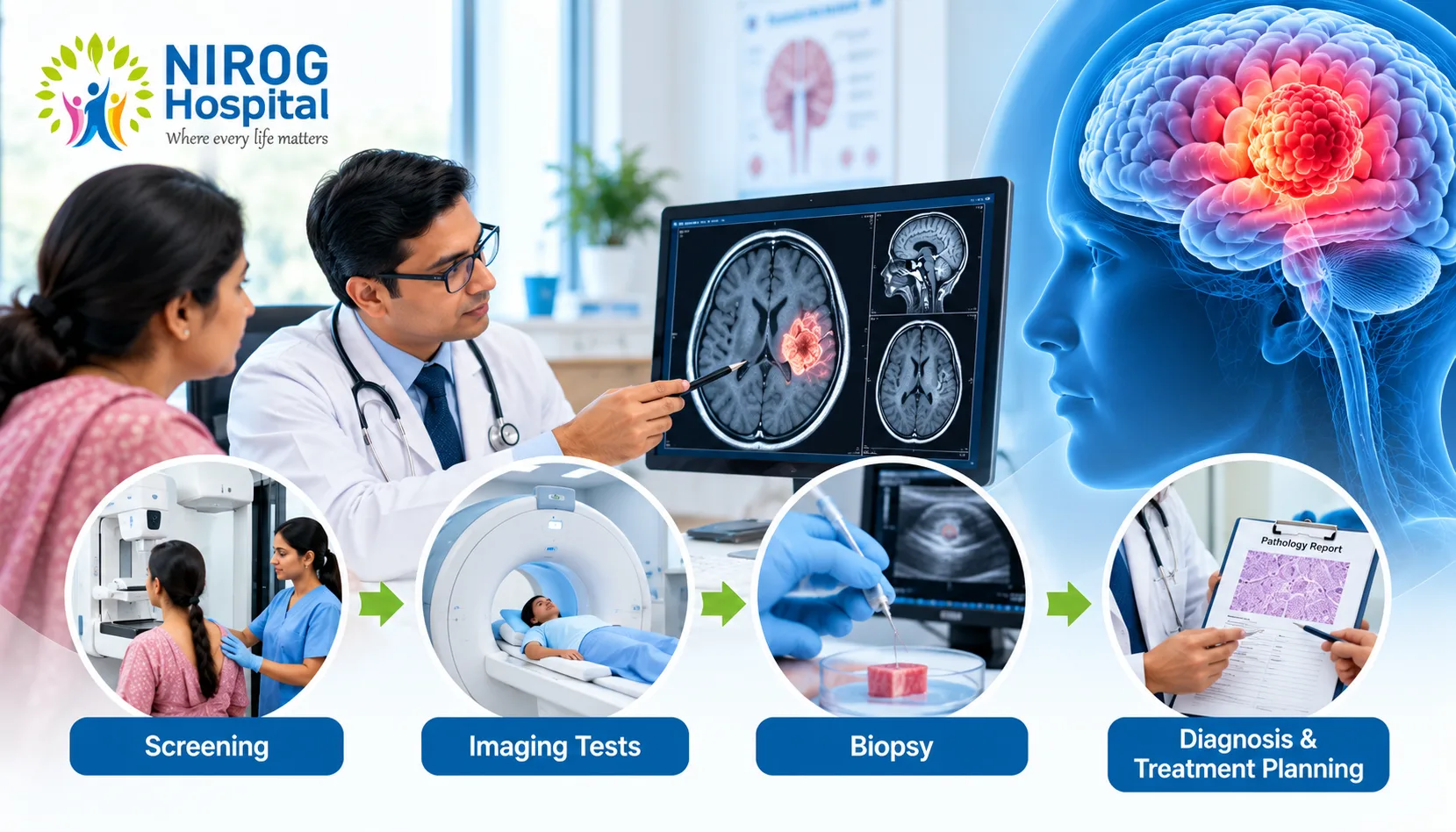
Getting a cancer diagnosis can involve several steps rather than a single test. Depending on symptoms, medical history and the suspected type of cancer, doctors may recommend a clinical examination, blood tests, imaging, cancer screening or a biopsy. This guide explains cancer diagnosis in Patna, common diagnostic tests, screening, biopsy and what patients can expect during the evaluation process.
What Is Cancer Diagnosis?
Cancer diagnosis is the process of determining whether abnormal symptoms, examination findings or test results are associated with cancer. The diagnostic approach depends on the suspected cancer, the part of the body involved and the patient's individual health history.
A cancer evaluation may include:
- Medical history and physical examination
- Blood and laboratory tests
- Appropriate cancer screening tests
- Ultrasound, X-ray, CT or MRI scans
- Endoscopic examinations for selected conditions
- Biopsy and pathological examination
- Additional investigations for cancer staging
Not every patient requires all of these tests. A doctor recommends investigations according to the clinical situation and the suspected diagnosis.
When Should You Consider Cancer Evaluation?
Many symptoms have causes unrelated to cancer, but persistent or unexplained changes should be medically evaluated. Depending on the body area, symptoms may include an unexplained lump, abnormal bleeding, unexplained weight loss, persistent cough, changes in bowel or bladder habits, changes in a mole or prolonged unexplained pain.
People with particular risk factors may also be advised to discuss cancer screening with a healthcare professional. Screening recommendations vary according to the type of cancer, age, sex, family history, personal medical history and other risk factors.
Cancer Screening in India
Screening and diagnostic testing are not the same. Screening is generally intended for people who do not have symptoms and meet specific eligibility or risk criteria. Diagnostic testing is used to investigate symptoms or an abnormal finding.
Indian public-health programmes have included screening approaches for common cancers such as oral, breast and cervical cancer. The Government of India provides guidance on cancer screening and referral through its public-health programmes.
For additional evidence-based Indian cancer information, patients can review the ICMR cancer resources.
Common Tests Used for Cancer Diagnosis
1. Medical History and Physical Examination
The diagnostic process often starts with a discussion about symptoms, their duration, previous illnesses, medications, family history and relevant risk factors. A physical examination may help identify a lump, enlarged lymph nodes or other abnormalities.
2. Blood Tests
Blood tests can provide information about blood counts, liver function, kidney function and general health. Certain cancers may also be associated with specific laboratory markers. However, blood tests alone usually cannot confirm most cancers.
3. Imaging Tests
Imaging helps doctors examine organs and tissues for suspicious abnormalities. Depending on the suspected condition, investigations may include:
- Ultrasound
- X-ray
- CT scan
- MRI scan
- PET-CT or other specialised imaging when clinically indicated
Imaging can help identify the location and size of an abnormality and can assist doctors in deciding whether further testing, such as a biopsy, is needed.

4. Endoscopy
For some suspected cancers, an endoscopic examination allows a doctor to examine an internal organ. Depending on the procedure, tissue samples can also be collected for laboratory examination.
What Is a Cancer Biopsy?
A cancer biopsy involves collecting a sample of cells or tissue from an area that requires further evaluation. The sample is examined by a pathologist to determine whether abnormal or cancerous cells are present.
Depending on the location and suspected condition, a biopsy may be performed using a needle, endoscopy, image guidance or a surgical procedure.

Why Is Pathology Important?
Pathology helps determine the nature of abnormal cells or tissue. When cancer is identified, a pathology report can provide information about the cancer type and other characteristics that may influence treatment planning.
For selected cancers, additional molecular or biomarker testing may also be recommended. These results can help doctors determine whether specific treatment approaches may be appropriate.
What Happens After a Cancer Diagnosis?
If cancer is confirmed, doctors usually need to understand the specific cancer type and how extensively it has developed. Additional imaging, laboratory investigations, pathology review or other tests may therefore be recommended.
The oncology team may consider:
- Type of cancer
- Location of the primary tumour
- Stage or extent of disease
- Pathology findings
- Molecular or biomarker results when relevant
- Overall health and other medical conditions
- Previous cancer treatment, if applicable
These factors help the medical team discuss an appropriate treatment plan.
Cancer Diagnosis and Staging
Diagnosis and staging are different processes. Diagnosis identifies the disease and its characteristics, while staging evaluates how extensively the cancer has developed or spread.
Depending on the cancer, staging may involve imaging studies, laboratory tests, pathology findings and assessment of nearby lymph nodes or distant organs.
Staging information can help doctors determine which treatment approaches may be appropriate for the individual patient.
What Cancer Treatments May Follow Diagnosis?
After the diagnosis and relevant staging information are available, an oncology team can discuss treatment options. Depending on the cancer, treatment may involve one approach or a combination of treatments.
- Surgery
- Chemotherapy
- Radiation therapy
- Targeted therapy
- Hormonal therapy for selected cancers
- Immunotherapy for appropriate cancers
- Supportive and palliative care
The treatment plan depends on the cancer type, stage, pathology findings, overall health and other individual factors.
Cancer Diagnosis in Patna at Nirog Hospital
Nirog Hospital provides oncology-related evaluation and treatment through its Oncology Medicine services in Patna. The service includes cancer screening and early-detection support, biopsy coordination, pathological evaluation, tumour staging and treatment planning.
Patients who require surgical evaluation can also explore Oncology Surgery in Patna. The appropriate diagnostic and treatment pathway depends on the patient's cancer type, test results and clinical condition.
Patients can also visit the Nirog Hospital doctors page to learn about available specialists before arranging a consultation.

What Should You Bring to a Cancer Consultation?
Bringing previous medical records can help the doctor understand your medical history and avoid unnecessary repetition of investigations.
- Previous blood test reports
- CT, MRI, ultrasound or other imaging reports
- Biopsy and pathology reports
- Previous prescriptions
- Current medication list
- Relevant medical history
- Family history of cancer when applicable
- A record of symptoms and when they started
Questions to Ask Your Oncologist
- What is the suspected or confirmed diagnosis?
- Which test is needed next?
- Is a biopsy required?
- What does the pathology report indicate?
- Is additional staging required?
- What treatment options are available?
- What are the possible side effects of treatment?
- Will another specialist need to be involved?
- What follow-up tests may be required?
When Should You Seek Medical Attention?
Persistent, unexplained or worsening symptoms should be discussed with a qualified healthcare professional. Particular concerns may include an unexplained lump, abnormal bleeding, unexplained weight loss, persistent cough, ongoing changes in bowel or bladder habits or other unusual changes that do not resolve.
Severe or rapidly worsening symptoms may require urgent medical attention. A healthcare professional can determine whether further cancer evaluation is appropriate.
Final Thoughts
Cancer diagnosis in Patna may involve clinical examination, screening, laboratory tests, imaging and biopsy depending on the suspected cancer. Once cancer is confirmed, pathology and staging information help the oncology team understand the disease and discuss suitable treatment options.
If you have persistent symptoms, an abnormal test result or a suspected cancer diagnosis, consult a qualified healthcare professional for an appropriate evaluation instead of relying on a single test or online information.
Related Treatments & Services
Specialized medical departments and care related to this article at Nirog Hospital:
Frequently Asked Questions
Quick answers to common questions regarding this topic
Q. Can a blood test diagnose cancer?
Q. Does every cancer require a biopsy?
Q. What is the difference between screening and diagnostic testing?
Q. How long does cancer diagnosis take?
Q. What happens after a biopsy?
Q. Can cancer be detected early?
Q. Does Nirog Hospital provide cancer diagnosis in Patna?
Q. What tests are commonly used to diagnose cancer?
Related Tags:
Jeevan Deep
Healthcare Content Writer
Jeevan Deep is a healthcare content writer focused on creating clear, informative, and patient-friendly content on medical conditions, treatments, procedures, and healthcare services. The content is developed to help patients and families better understand their healthcare options and make informed decisions.