
Gallstones vs Gallbladder Pain How to Recognize the Difference
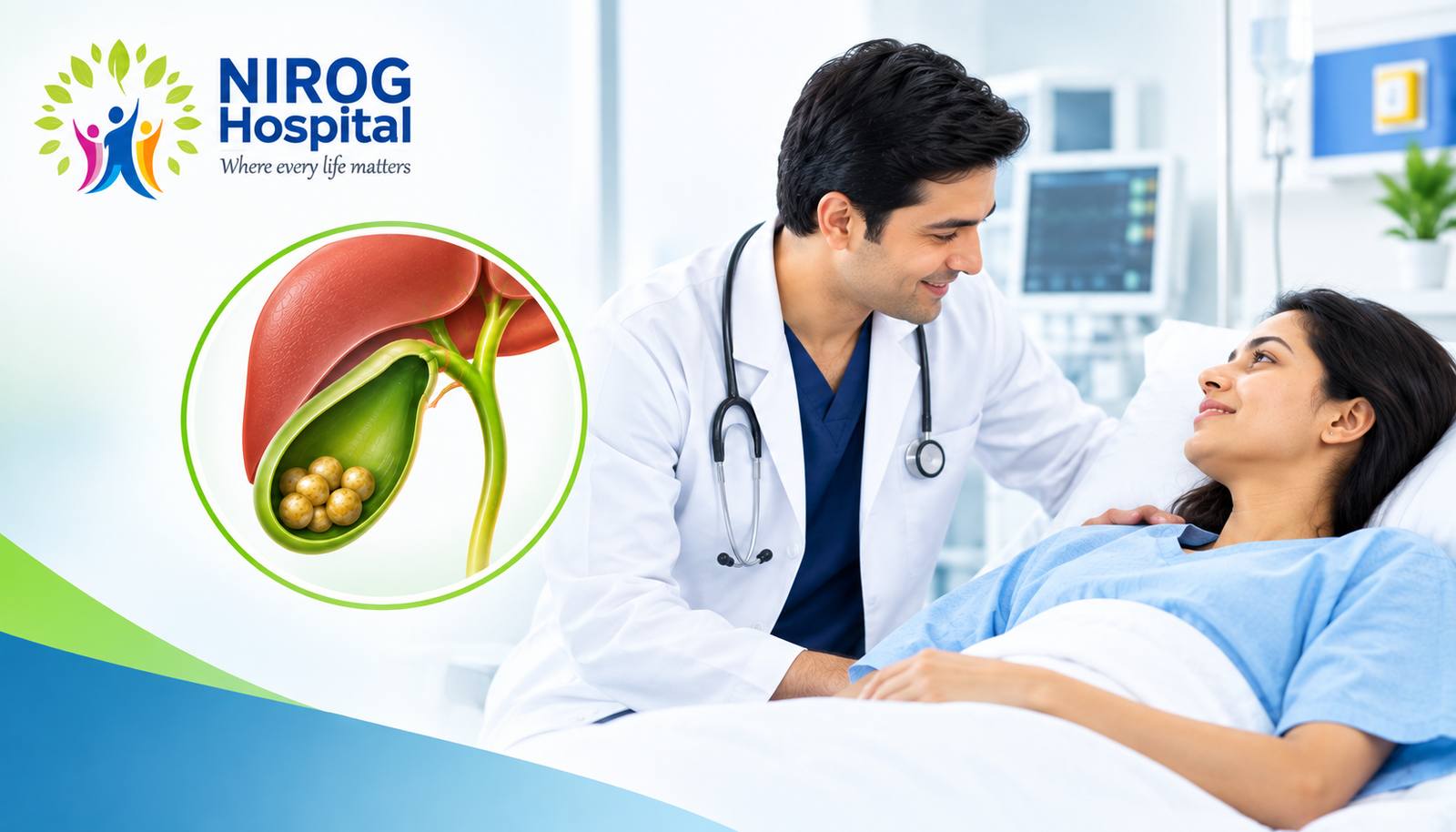
Gallstone symptoms can sometimes be confused with general stomach pain, indigestion or other digestive problems. Gallstones may cause pain when they block the normal flow of bile, while other types of gallbladder pain may be related to inflammation, infection or other conditions.
Understanding the location, pattern and associated symptoms of pain can help you recognize when medical evaluation may be necessary. This guide explains gallbladder stones, common gallstone symptoms, gallbladder pain and important warning signs.

What Are Gallstones?
Gallstones are hardened deposits that develop inside the gallbladder. The gallbladder stores bile produced by the liver and releases it into the digestive system.
Some people have gallstones without noticeable symptoms. When a stone interferes with the flow of bile, it may cause pain and other symptoms that require medical evaluation.
Learn more about gallbladder stone treatment in Patna and available diagnostic and treatment options.
What Does Gallbladder Pain Feel Like?
Gallbladder-related pain commonly occurs in the upper right or upper middle part of the abdomen. It may sometimes spread toward the back or right shoulder area.
The pain may occur after eating, particularly following a heavy or fatty meal, although the exact pattern can vary between individuals.
Common Features of Gallbladder-Related Pain
- Pain in the upper right abdomen
- Pain in the upper middle abdomen
- Discomfort that may spread toward the back or right shoulder
- Pain that may occur after meals
- Nausea or vomiting
- A feeling of abdominal fullness or discomfort

Common Gallstone Symptoms
Not everyone with gallstones develops symptoms. When gallstones become symptomatic, common complaints may include abdominal pain and digestive symptoms.
- Sudden or recurring upper abdominal pain
- Pain after eating
- Nausea
- Vomiting
- Indigestion
- Bloating or abdominal discomfort
- Pain that may radiate toward the back or shoulder
Recurring symptoms should be evaluated rather than assumed to be caused by simple indigestion.
Gallstones vs Gallbladder Pain
Gallstones and gallbladder pain are related but do not mean exactly the same thing. Gallstones describe the deposits inside the gallbladder, while gallbladder pain describes a symptom that may result from stones or another gallbladder condition.
| Feature | Gallstone Symptoms | Gallbladder Pain |
|---|---|---|
| Meaning | Symptoms associated with gallstones | Pain arising from a gallbladder-related condition |
| Common location | Upper right or upper middle abdomen | Usually upper right or upper middle abdomen |
| Possible triggers | May occur after meals | May occur after meals or with gallbladder inflammation |
| Other symptoms | Nausea, vomiting or indigestion may occur | Fever, vomiting or jaundice may occur when complications develop |
| Evaluation | Clinical examination and imaging may be required | Evaluation depends on symptoms and suspected cause |
Gallstones Can Be Present Without Pain
Gallstones do not always cause symptoms. Some people may have stones discovered during an abdominal scan performed for another reason.
The presence of gallstones alone does not automatically mean that surgery is required. Treatment decisions depend on symptoms, complications, clinical findings and the patient's overall health.
The Government of India Standard Treatment Guidelines for cholecystectomy discuss symptomatic gallstone disease and the clinical considerations involved in gallbladder removal.
When Gallstone Symptoms Need Medical Attention
Recurring or unexplained upper abdominal pain should be evaluated by a qualified healthcare professional. Prompt medical attention is particularly important when abdominal pain occurs with other concerning symptoms.
- Severe or persistent abdominal pain
- Fever or chills
- Repeated vomiting
- Yellowing of the skin or eyes
- Dark urine or unusually pale stools
- Increasing abdominal tenderness
These symptoms can occur with complications involving gallbladder inflammation, infection or bile flow and should not be ignored.
What Causes Gallbladder Pain?
Gallbladder pain can have different causes. Gallstones are one common cause, but inflammation, infection and problems affecting bile flow can also produce symptoms.
Common gallbladder conditions include:
- Gallstones
- Acute cholecystitis
- Chronic gallbladder inflammation
- Gallbladder infection
- Bile duct obstruction
- Gallbladder polyps and other conditions
Because different conditions can produce similar symptoms, diagnosis is important before deciding on treatment.
How Are Gallstones Diagnosed?
A doctor may begin with your symptoms, medical history and physical examination. Depending on the clinical situation, diagnostic tests may be recommended.
Abdominal Ultrasound
An abdominal ultrasound is commonly used to examine the gallbladder and identify gallstones and related abnormalities.
Blood Tests
Blood tests may help doctors look for signs of inflammation, infection or abnormalities involving the liver and biliary system.
CT Scan
A CT scan may be recommended when additional abdominal imaging is required.
MRI or MRCP
MRI or magnetic resonance cholangiopancreatography may be used when more detailed assessment of the bile ducts or biliary system is needed.

Can Gallstones Be Treated Without Surgery?
Not every person with gallstones requires immediate surgery. Some people with asymptomatic gallstones may be monitored, while treatment decisions for symptomatic or complicated gallstones require medical assessment.
Depending on the condition, management may involve observation, dietary advice, symptom management or surgery.
If gallstones repeatedly cause symptoms or lead to complications, a surgeon may recommend gallbladder removal after evaluating the patient's condition.
Read more about gallbladder treatment in Patna and how treatment is selected according to the condition.
When Is Gallbladder Surgery Considered?
Gallbladder surgery, also called cholecystectomy, may be considered for symptomatic gallstones and certain complications of gallstone disease.
The Government of India's clinical guidance notes that cholecystectomy is commonly performed for symptoms related to gallstones and for complications such as acute cholecystitis or biliary pancreatitis.
When surgery is recommended, gallbladder surgery in Patna may include laparoscopic or open surgery depending on the patient's clinical condition and surgical assessment.
Why You Should Not Self-Diagnose Gallbladder Pain
Upper abdominal pain can have many causes, including digestive disorders and conditions affecting other abdominal organs. The location of pain alone cannot confirm that gallstones are responsible.
A healthcare professional can review your symptoms and determine whether tests such as ultrasound or blood investigations are appropriate.
Gallstone Symptoms and Gallbladder Pain in a Simple Comparison
- Gallstones: Hardened deposits inside the gallbladder.
- Gallstone symptoms: Symptoms that may occur when gallstones become symptomatic.
- Gallbladder pain: Pain that can result from gallstones or other gallbladder conditions.
- Diagnosis: May involve examination, ultrasound, blood tests and additional imaging.
- Treatment: Depends on symptoms, diagnosis, complications and overall health.
Gallbladder Stone Treatment in Patna
If you are experiencing recurring abdominal pain, nausea after meals or other possible gallstone symptoms, medical evaluation can help identify the underlying cause.
Nirog Hospital provides evaluation and treatment options for gallbladder stones, including diagnostic assessment and surgical treatment when clinically appropriate.
Learn more about gallbladder stone treatment in Patna, or explore general and laparoscopic surgery in Patna.

Conclusion
Gallstone symptoms and gallbladder pain can overlap, making it difficult to identify the exact cause from symptoms alone. Pain in the upper abdomen, particularly when recurring or associated with nausea, vomiting, fever or jaundice, should be medically evaluated.
Gallstones may be symptom-free in some people, while symptomatic or complicated gallstone disease may require treatment. Appropriate diagnosis through clinical assessment and imaging can help determine the right management approach.
If you are experiencing recurring abdominal pain or symptoms that may be related to gallbladder stones, consult a qualified healthcare professional rather than relying on self-diagnosis.
Related Treatments & Services
Specialized medical departments and care related to this article at Nirog Hospital:
Frequently Asked Questions
Quick answers to common questions regarding this topic
Q. What are the common symptoms of gallstones?
Q. Where is gallbladder pain usually felt?
Q. How long can gallbladder pain last?
Q. Can gallstones cause pain after eating?
Q. Can gallstones be present without symptoms?
Q. When should I seek medical help for gallbladder pain?
Q. How are gallstones diagnosed?
Q. Where can I get gallbladder stone treatment in Patna?
Related Tags:
Jeevan Deep
Healthcare Content Writer
Jeevan Deep is a healthcare content writer focused on creating clear, informative, and patient-friendly content on medical conditions, treatments, procedures, and healthcare services. The content is developed to help patients and families better understand their healthcare options and make informed decisions.