
Heatstroke Can Be Deadly: Symptoms, Prevention & Safety Tips
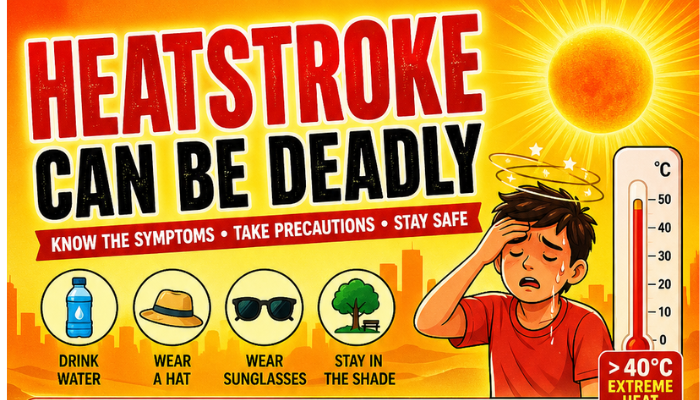
Extreme heat is more than just uncomfortable—it can be dangerous and even life-threatening. Every year, thousands of people suffer from heat-related illnesses, and among them, heatstroke is the most severe. Understanding heatstroke symptoms, recognizing the signs of heatstroke, and knowing how to prevent heatstroke can save lives.
In this detailed guide, you’ll learn everything you need to stay safe during hot weather, including practical heat safety tips and effective heatstroke prevention strategies.
What Is Heatstroke?
Heatstroke is a serious medical condition that happens when your body overheats and can no longer regulate its temperature. Normally, your body cools itself through sweating, but in extreme heat, this system can fail.
When your body temperature rises above 40°C (104°F), it can damage vital organs like the brain, heart, and kidneys. Without immediate treatment, heatstroke can become fatal.
Heatstroke Symptoms You Should Never Ignore
Recognizing heatstroke symptoms early is crucial. The faster you act, the better the chances of recovery.
Common Symptoms of Heatstroke
- High body temperature (above 104°F or 40°C)
- Hot, dry skin or excessive sweating
- Severe headache
- Dizziness or fainting
- Nausea or vomiting
- Rapid heartbeat
- Confusion or disorientation
- Slurred speech
- Loss of consciousness
These symptoms can develop quickly, especially during heatwaves or prolonged sun exposure.
Early Signs of Heatstroke
Before full heatstroke occurs, your body may show warning signals. These signs of heatstroke should not be ignored:
- Muscle cramps
- Heavy sweating
- Weakness or fatigue
- Pale or clammy skin
- Thirst and dehydration
These early symptoms often indicate heat exhaustion, which can quickly progress into heatstroke if not treated.
Who Is Most at Risk?
While heatstroke can affect anyone, some groups are more vulnerable:
- Elderly people
- Young children
- Outdoor workers
- Athletes
- People with chronic illnesses
- Individuals who are dehydrated
Understanding your risk level is a key part of heatstroke prevention.
How to Prevent Heatstroke: Practical Tips That Work
Preventing heatstroke is much easier than treating it. Here are proven strategies for how to prevent heatstroke:
1. Stay Hydrated
Drink plenty of water throughout the day, even if you don’t feel thirsty. Dehydration is one of the biggest causes of heatstroke.
Tip: Include electrolyte drinks, coconut water, or lemon water to maintain fluid balance.
2. Avoid Peak Sun Hours
Try to stay indoors between 12 PM and 4 PM when the sun is strongest.
If you must go out, take frequent breaks in the shade.
3. Wear Light and Comfortable Clothing
Choose loose, light-colored, and breathable fabrics like cotton.
This helps your body stay cool and reduces heat absorption.
4. Protect Your Head
Always cover your head with a hat, scarf, or umbrella when stepping out in the sun.
This simple habit can significantly reduce the risk of overheating.
5. Eat Light and Fresh Foods
Heavy meals can increase body heat. Instead, opt for:
- Fruits (watermelon, cucumber, oranges)
- Salads
- Yogurt or buttermilk
These foods help keep your body cool and hydrated.
6. Take Cool Showers
Frequent cool showers can lower your body temperature and refresh you during hot days.
7. Never Leave Anyone in a Parked Car
Cars can heat up quickly, even with windows slightly open. This is especially dangerous for children and pets.

Essential Heat Safety Tips for Daily Life
Following these heat safety tips can protect you and your family during extreme heat:
- Always carry a water bottle
- Use sunscreen to prevent sunburn
- Schedule outdoor activities in the early morning or evening
- Check on elderly family members regularly
- Keep your home cool using fans or air conditioning
- Avoid alcohol and caffeine, as they can dehydrate you
Consistency in these habits is key to effective heatstroke prevention.
What To Do If Someone Has Heatstroke
Heatstroke is a medical emergency. Immediate action is critical.
First Aid Steps
- Move the person to a cool or shaded area
- Remove excess clothing
- Cool the body using water, ice packs, or wet cloths
- Fan the person to speed up cooling
- Offer fluids if they are conscious
- Call emergency medical help immediately
Difference Between Heat Exhaustion and Heatstroke
Understanding the difference can help you act faster.
| Condition | Symptoms | Severity |
|---|---|---|
| Heat Exhaustion | Sweating, weakness, dizziness | Moderate |
| Heatstroke | High body temperature, confusion, unconsciousness | Severe (Emergency) |
Long-Term Effects of Heatstroke
If not treated promptly, heatstroke can cause:
- Brain damage
- Organ failure
- Muscle breakdown
- Kidney damage
Why Awareness About Heatstroke Matters
With rising global temperatures and frequent heatwaves, the risk of heatstroke is increasing. Educating yourself and others about the signs of heatstroke and heat safety tips can prevent unnecessary loss of life.
Prevention is simple—but only if you stay informed.
Conclusion: Stay Alert, Stay Safe
Heatstroke is a serious condition, but it is also highly preventable. By understanding heatstroke symptoms, recognizing the signs of heatstroke, and following simple heat safety tips, you can protect yourself and your loved ones.
Always remember:
- Stay hydrated
- Avoid extreme heat
- Dress appropriately
- Act quickly if symptoms appear