
Best ICU & Trauma Care Hospital in Patna
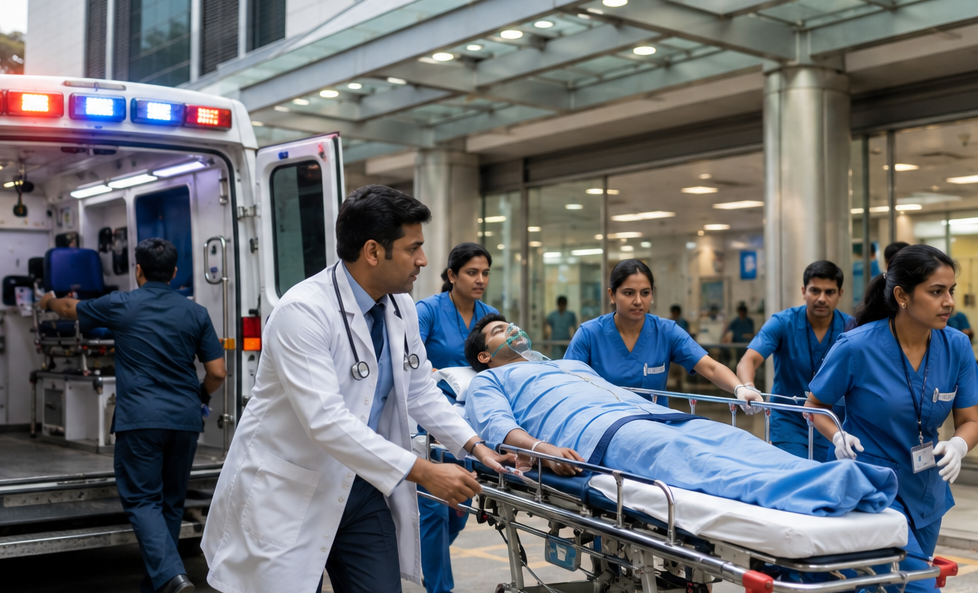
Medical emergencies can happen unexpectedly and often require immediate medical attention, specialized treatment, and advanced life-saving support. In critical situations such as severe accidents, heart attacks, strokes, respiratory failure, or serious infections, access to a well-equipped ICU and trauma care hospital can make a significant difference in patient survival and recovery.
Patna has witnessed significant growth in advanced healthcare infrastructure, with modern hospitals now offering specialized ICU and trauma care services supported by experienced doctors, emergency response teams, and advanced medical technology. A trusted ICU and trauma care hospital provides rapid diagnosis, continuous monitoring, emergency interventions, and comprehensive critical care under one roof.
Choosing the best ICU & trauma care hospital in Patna ensures timely medical support, expert emergency management, and compassionate patient care during life-threatening situations.
What Is ICU and Trauma Care?
Intensive Care Unit (ICU)
An Intensive Care Unit is a specialized department designed to provide advanced medical care and continuous monitoring for critically ill patients. ICU care is essential for patients with severe medical conditions requiring constant supervision and immediate intervention.
Trauma Care
Trauma care focuses on treating serious injuries caused by:
- Road accidents
- Falls
- Burns
- Head injuries
- Fractures
- Physical trauma
- Emergency surgical conditions
Trauma centers are equipped to handle emergencies quickly and efficiently to improve survival and recovery outcomes.
1. 24/7 Emergency and Critical Care Services
A leading ICU and trauma care hospital provides round-the-clock emergency services to handle medical emergencies at any time.
Emergency services typically include:
- 24/7 emergency department
- Ambulance support
- Immediate patient stabilization
- Trauma response team
- Emergency surgeries
- Rapid diagnostic support
Quick medical intervention during emergencies is critical for preventing complications and saving lives.
2. Advanced Intensive Care Unit (ICU) Facilities
Modern ICUs are equipped with advanced technology to monitor and support critically ill patients continuously.
Important ICU facilities include:
- Ventilator support systems
- Cardiac monitoring equipment
- Oxygen therapy
- Advanced life support systems
- Infection-controlled ICU environment
- Continuous nursing supervision
ICU specialists and trained critical care teams work closely to manage patients with complex medical conditions.
3. Specialized Trauma and Accident Care
Trauma care requires rapid assessment and coordinated treatment to manage severe injuries effectively.
Trauma services may include:
- Road accident management
- Head injury treatment
- Orthopedic trauma care
- Emergency fracture stabilization
- Burn injury care
- Surgical emergency management
Fast and accurate trauma treatment helps reduce long-term complications and supports better recovery.
4. Experienced Critical Care Specialists and Emergency Teams
The expertise of doctors and emergency healthcare professionals plays a major role in successful critical care management.
A reputed ICU and trauma care hospital includes:
- Critical care specialists
- Emergency medicine doctors
- Trauma surgeons
- Anesthesiologists
- Orthopedic specialists
- Skilled ICU nurses and support staff
Experienced healthcare teams ensure timely diagnosis, immediate intervention, and continuous patient monitoring.
5. Advanced Diagnostic and Monitoring Technology
Modern emergency care depends heavily on advanced diagnostics and real-time patient monitoring systems.
Key medical technologies include:
- Digital X-ray
- CT Scan
- Ultrasound imaging
- ECG and cardiac monitoring
- Bedside patient monitoring systems
- Emergency pathology services
Advanced diagnostics help doctors make quick and accurate treatment decisions during emergencies.
6. Post-Trauma Rehabilitation and Recovery Support
Recovery after critical illness or trauma often requires ongoing rehabilitation and supportive care.
Post-trauma support services may include:
- Physiotherapy and rehabilitation
- Nutritional counseling
- Pain management
- Follow-up consultations
- Psychological and emotional support
Comprehensive rehabilitation improves patient mobility, strength, and overall quality of life after recovery.
7. Patient Safety and Compassionate Critical Care
Critical care situations can be emotionally stressful for both patients and families. A patient-centered approach helps provide emotional reassurance and trust during treatment.
Quality ICU and trauma care hospitals focus on:
- Compassionate patient support
- Transparent communication with families
- Strict hygiene and infection control
- Personalized treatment plans
- Comfortable and safe healthcare environment
A supportive healthcare atmosphere contributes to better patient and family experiences.
Common Conditions Requiring ICU or Trauma Care
Patients may require ICU or trauma care for:
- Heart attack or cardiac emergencies
- Stroke and neurological emergencies
- Severe infections and sepsis
- Respiratory failure
- Major accidents and injuries
- Burns and fractures
- Post-surgical critical care
- Organ failure or shock
Immediate medical attention is essential in these situations to improve survival outcomes.
Benefits of Advanced ICU & Trauma Care Services
| Healthcare Service | Benefit for Patients | Importance |
|---|---|---|
| 24/7 emergency care | Immediate medical attention | Critical during emergencies |
| Advanced ICU facilities | Continuous patient monitoring | Supports life-saving treatment |
| Trauma management | Rapid injury treatment | Reduces complications |
| Expert critical care team | Specialized medical support | Improves recovery outcomes |
| Advanced diagnostics | Quick and accurate diagnosis | Enables faster treatment |
| Rehabilitation support | Faster physical recovery | Enhances long-term wellness |
| Patient-centered care | Emotional and medical support | Builds patient confidence |
Why ICU and Trauma Care Matters
Medical emergencies require immediate action, advanced medical technology, and highly trained specialists. Delays in treatment can increase complications and reduce recovery chances.
Modern ICU and trauma care hospitals in Patna provide:
- Faster emergency response
- Specialized critical care support
- Better patient monitoring
- Advanced surgical and diagnostic facilities
- Improved survival and recovery outcomes
Access to quality emergency healthcare ensures patients receive timely and effective treatment during critical situations.

When Should You Seek Emergency Medical Care?
Immediate medical attention is necessary if someone experiences:
- Severe chest pain
- Difficulty breathing
- Loss of consciousness
- Major accidents or injuries
- Heavy bleeding
- Sudden paralysis or stroke symptoms
- Severe burns
- High fever with confusion
- Seizures or neurological emergencies
Never delay emergency care during critical situations, as timely treatment can save lives.
Conclusion
Choosing the best ICU & trauma care hospital in Patna is essential for ensuring rapid emergency response, advanced critical care, and specialized trauma management during life-threatening situations. Hospitals equipped with modern ICU facilities, experienced specialists, emergency services, and advanced diagnostics provide better survival chances and improved recovery outcomes.
Comprehensive emergency and critical care services not only save lives but also support long-term recovery, rehabilitation, and patient well-being through compassionate and patient-focused healthcare.
Medical Expertise & Emergency Critical Care
Nirog Hospital
Advanced ICU, Emergency & Trauma Care Services
Guided by experienced critical care specialists dedicated to rapid emergency response and comprehensive patient care.
Nirog Hospital is committed to delivering advanced ICU and trauma care services through modern emergency facilities, continuous patient monitoring, specialized medical teams, advanced diagnostics, and compassionate support for patients and families across Patna.