
Gallbladder Stones Symptoms, Causes, Diagnosis & Treatment
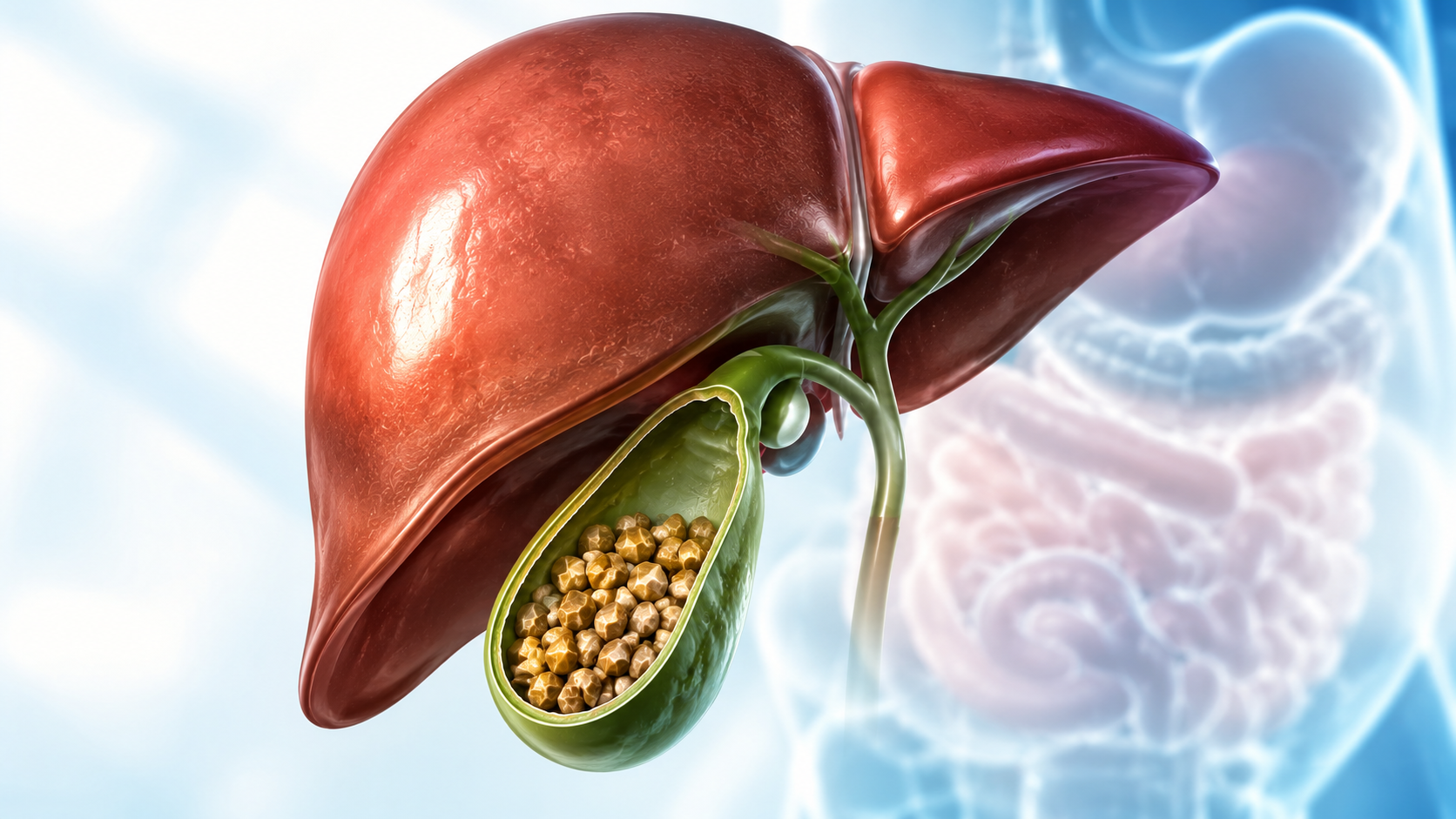
Gallbladder stones, commonly known as gallstones, are hardened deposits that form inside the gallbladder, a small organ located beneath the liver. The gallbladder stores bile, which helps digest fats. When bile contains too much cholesterol or bilirubin, these substances can crystallize and form stones.
Many people with gallstones never experience symptoms. However, when a stone blocks the flow of bile, it can cause sudden abdominal pain, nausea, and digestive problems. Early diagnosis and appropriate treatment can help prevent serious complications and improve recovery.
What Are Gallbladder Stones?
Gallbladder stones develop when the balance of chemicals in bile changes. The stones may be as small as a grain of sand or as large as a golf ball. Some people have only one stone, while others may develop multiple stones.
The two most common types are cholesterol stones and pigment stones. Cholesterol stones are the most frequently seen, whereas pigment stones usually develop due to liver disease, certain infections, or blood disorders. Although silent gallstones may not require immediate treatment, symptomatic gallstones should always be evaluated by a qualified doctor.
Symptoms of Gallbladder Stones
Gallstones may not cause symptoms until they block a bile duct. Common symptoms include:
Severe pain in the upper right abdomen
Pain after eating fatty or oily foods
Nausea and vomiting
Bloating and indigestion
Pain spreading to the back or right shoulder
Fever, chills, or jaundice in severe cases
If these symptoms occur repeatedly or become severe, medical evaluation should not be delayed.
What Causes Gallbladder Stones?
Gallstones can develop due to several factors, including excess cholesterol in bile, high bilirubin levels, and poor gallbladder emptying. Lifestyle and medical conditions also influence the risk.
Obesity, diabetes, pregnancy, rapid weight loss, a high-fat diet, and family history are among the most common risk factors. As people age, the risk of developing gallstones also increases. While these factors do not always lead to gallstones, maintaining a healthy lifestyle can help reduce the chances of stone formation.
How Are Gallbladder Stones Diagnosed?
Doctors usually diagnose gallstones by reviewing your medical history, performing a physical examination, and recommending imaging tests. An abdominal ultrasound is the most common and accurate test for detecting gallstones.
Blood tests may be advised to check for infection or liver function abnormalities. In selected cases, CT scans, MRI, or MRCP may be recommended to evaluate the bile ducts and identify complications. Early diagnosis helps doctors choose the most appropriate treatment and prevents the condition from becoming more serious.
Gallbladder Stones: Silent vs. Symptomatic
| Feature | Silent Gallstones | Symptomatic Gallstones |
|---|---|---|
| Symptoms | No symptoms | Pain, nausea, digestive discomfort |
| Treatment | Observation | Medication or surgery |
| Risk of Complications | Low | Higher if untreated |
| Surgery | Usually not required | Often recommended |

Treatment Options for Gallbladder Stones
Treatment depends on the severity of symptoms and the patient's overall health. People with silent gallstones may only require regular monitoring. Lifestyle modifications such as eating a balanced diet, maintaining a healthy weight, and avoiding excessive fatty foods can help reduce digestive discomfort.
Medication may be recommended in selected cases to dissolve cholesterol stones, although it is not suitable for everyone and usually takes a long time to be effective. When gallstones cause repeated pain, infection, or blockage of the bile ducts, laparoscopic gallbladder surgery is considered the most effective treatment. This minimally invasive procedure involves small incisions, less pain, shorter hospital stays, and faster recovery than traditional open surgery.
If you are looking for advanced Gallbladder Stone Treatment in Patna, consult an experienced specialist for proper diagnosis and personalized treatment. Patients who require surgery can also explore expert Gallbladder Surgery in Patna, while those seeking complete evaluation and care can learn more about Gallbladder Treatment in Patna.
Prevention Tips
Although gallstones cannot always be prevented, these healthy habits may lower your risk:
Maintain a healthy body weight
Eat a balanced, fiber-rich diet
Avoid crash dieting
Exercise regularly
Drink adequate water
Control diabetes and cholesterol levels
Why Choose Nirog Hospital?
Nirog Hospital provides comprehensive diagnosis and treatment for gallbladder disorders using advanced medical technology and evidence-based care. Our experienced surgeons specialize in minimally invasive procedures, ensuring accurate diagnosis, effective treatment, and faster recovery. From consultation to post-treatment follow-up, our focus is on delivering safe, personalized, and compassionate healthcare for every patient.
Frequently Asked Questions
Can gallstones disappear without treatment?
Most gallstones do not disappear on their own. Symptomatic gallstones usually require medical evaluation and, in many cases, surgical treatment.
Is gallbladder surgery safe?
Yes. Laparoscopic gallbladder surgery is a commonly performed and safe procedure when carried out by experienced surgeons.
Can I live without a gallbladder?
Yes. Most people live a normal, healthy life after gallbladder removal because the liver continues to produce bile.
When should I consult a doctor?
You should seek medical attention if you experience severe abdominal pain, repeated nausea, fever, jaundice, or pain that lasts for several hours.
Gallbladder stones are a common yet treatable condition. Recognizing the symptoms early, obtaining an accurate diagnosis, and receiving timely treatment can prevent serious complications and improve quality of life. If you experience persistent abdominal pain or have been diagnosed with gallstones, consult a qualified specialist to discuss the most suitable treatment option and protect your long-term digestive health.