
Tips to Avoid Heatstroke: Essential Prevention and Diet Tips for Summer Safety
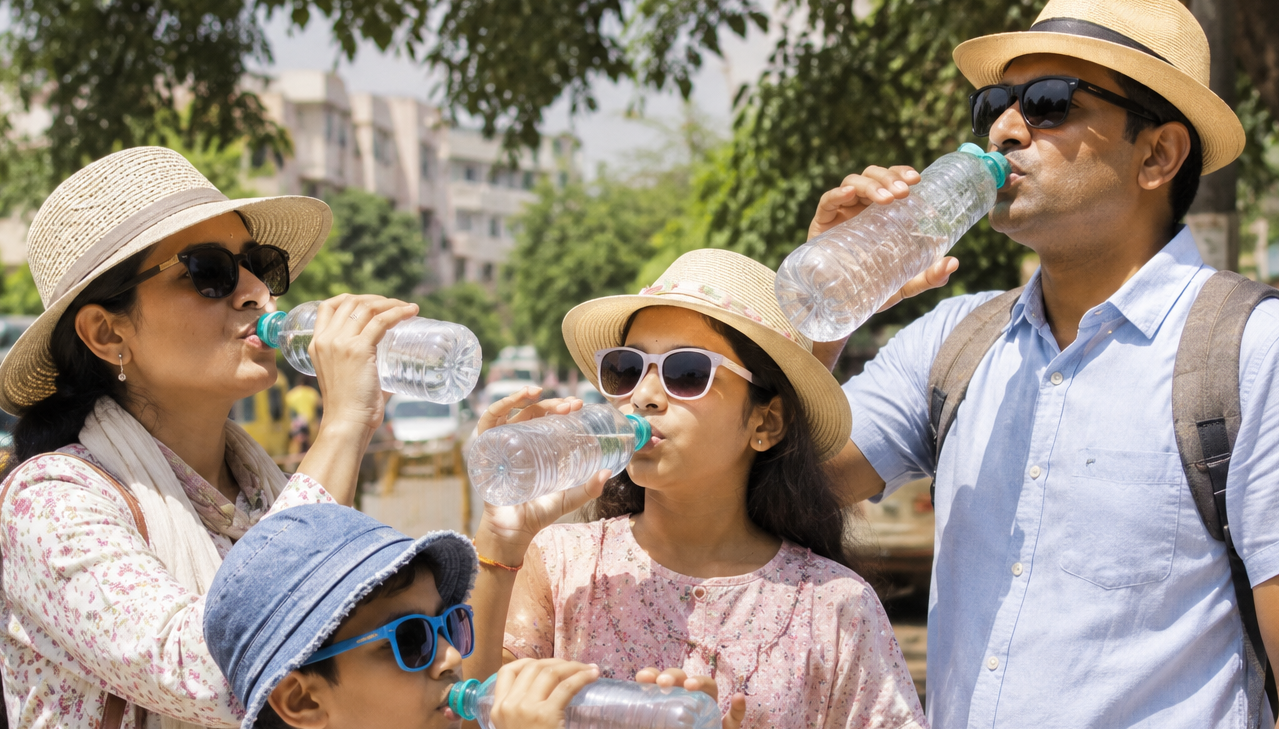
Extreme heat during summer can significantly affect the body and lead to serious health problems if proper precautions are not taken. Heatstroke is one of the most severe heat-related illnesses and can become life-threatening if ignored. Rising temperatures, dehydration, prolonged sun exposure, and lack of proper nutrition increase the risk of heat exhaustion and heatstroke, especially among children, elderly individuals, outdoor workers, and people with existing health conditions.
Preventing heatstroke requires a combination of hydration, healthy eating habits, protective clothing, and lifestyle adjustments during hot weather. Along with staying cool and avoiding excessive sun exposure, following the right summer diet helps maintain body temperature, energy levels, and hydration balance.
Understanding the symptoms, prevention methods, and healthy dietary practices can help individuals and families stay safe, active, and healthy during the summer season.
What Is Heatstroke?
Heatstroke is a serious medical condition that occurs when the body temperature rises excessively due to prolonged heat exposure or dehydration. The body loses its ability to cool itself properly, leading to dangerously high temperatures.
Common causes of heatstroke include:
- Excessive exposure to sunlight
- Dehydration
- Outdoor physical activity during peak heat
- Lack of fluid intake
- Wearing heavy or tight clothing in hot weather
Heatstroke requires immediate medical attention to prevent serious complications.
Common Symptoms of Heatstroke
Recognizing early symptoms can help prevent severe health complications.
Symptoms may include:
- High body temperature
- Excessive sweating or dry skin
- Dizziness or fainting
- Severe headache
- Weakness and fatigue
- Nausea or vomiting
- Rapid heartbeat
- Muscle cramps
- Confusion or unconsciousness
If someone shows severe symptoms such as confusion, collapse, or unconsciousness, emergency medical care should be sought immediately.
1. Stay Hydrated Throughout the Day
Proper hydration is one of the most important ways to prevent heatstroke. During summer, the body loses water and essential salts through sweating.
Hydration tips:
- Drink plenty of water regularly
- Carry a water bottle while traveling
- Consume coconut water, lemon water, or ORS
- Avoid excessive caffeine and sugary soft drinks
- Increase fluid intake during outdoor activities
Staying hydrated helps regulate body temperature and prevents dehydration-related complications.
2. Avoid Direct Sun Exposure During Peak Hours
The sun’s heat is strongest between late morning and afternoon. Limiting outdoor exposure during peak temperatures helps reduce the risk of heat-related illnesses.
Protective measures include:
- Avoid going out between 11 AM and 4 PM
- Stay in shaded or cool areas
- Use umbrellas, hats, or caps outdoors
- Wear sunglasses to protect the eyes
Reducing sun exposure helps maintain a stable body temperature.
3. Wear Light and Comfortable Clothing
Clothing plays an important role in body cooling during hot weather.
Recommended clothing tips:
- Wear loose-fitting cotton clothes
- Choose light-colored outfits
- Avoid heavy or synthetic fabrics
- Use breathable clothing materials
Comfortable clothing allows better air circulation and reduces excessive sweating.
4. Eat a Light and Nutritious Summer Diet
Diet has a direct impact on hydration, energy, and body temperature regulation during summer.
Healthy summer foods include:
- Watermelon
- Cucumber
- Muskmelon
- Coconut water
- Fresh fruits and vegetables
- Yogurt and buttermilk
- Lemon juice and fresh juices
Avoid:
- Oily and spicy foods
- Excessive fried foods
- Heavy meals
- Excess sugar and processed snacks
Light and hydrating foods help keep the body cool and energized.
5. Include Electrolyte-Rich Foods and Drinks
Excessive sweating can lead to loss of essential minerals such as sodium and potassium.
Electrolyte-rich options include:
- ORS solutions
- Coconut water
- Banana
- Buttermilk
- Fresh fruit juices
Maintaining electrolyte balance helps prevent weakness, cramps, and dehydration.
6. Avoid Overexertion in Hot Weather
Heavy physical activity during extreme heat increases the risk of dehydration and heatstroke.
Important precautions:
- Schedule exercise during early morning or evening
- Take frequent breaks during outdoor work
- Avoid strenuous activity under direct sunlight
- Rest in cool environments when feeling exhausted
Balancing activity and rest helps protect the body from overheating.
7. Keep Indoor Spaces Cool and Ventilated
Maintaining a cool indoor environment is essential during hot weather.
Cooling tips:
- Use fans or air conditioning
- Keep windows ventilated
- Use curtains to block direct sunlight
- Take cool showers when feeling overheated
Proper ventilation helps regulate body temperature and improve comfort.
Best Summer Diet Tips to Prevent Heatstroke
Hydrating Foods
- Watermelon
- Cucumber
- Orange
- Papaya
- Muskmelon
Cooling Drinks
- Coconut water
- Lemon water
- Buttermilk
- Fresh fruit juices
- ORS solution
Healthy Eating Habits
- Eat smaller and lighter meals
- Include fresh vegetables and salads
- Avoid overeating during daytime heat
- Consume homemade and freshly prepared foods
A balanced summer diet improves hydration, digestion, and energy levels.

Foods and Habits to Avoid During Extreme Heat
Avoid the following during summer:
- Alcohol and excessive caffeine
- Spicy and oily foods
- Carbonated sugary drinks
- Outdoor activities during peak heat
- Skipping meals or water intake
Unhealthy habits can increase dehydration and heat-related health risks.
Heatstroke Prevention Tips for Children and Elderly People
Children and older adults are more vulnerable to heat-related illnesses.
Important precautions:
- Ensure regular water intake
- Avoid direct sunlight exposure
- Provide light and nutritious meals
- Dress them in breathable cotton clothing
- Monitor for signs of fatigue or dizziness
Extra care helps protect vulnerable individuals from severe heat complications.

Benefits of Heatstroke Prevention and Healthy Summer Diet
| Healthy Habit | Benefit | Why It Matters |
|---|---|---|
| Regular hydration | Prevents dehydration | Maintains body temperature |
| Light summer diet | Improves digestion and energy | Reduces body heat |
| Electrolyte intake | Prevents weakness and cramps | Supports hydration balance |
| Sun protection | Reduces heat exposure | Prevents heatstroke |
| Comfortable clothing | Enhances cooling | Improves comfort |
| Avoiding overexertion | Prevents body overheating | Reduces health risks |
| Cool indoor environment | Supports body temperature regulation | Improves overall well-being |
When Should You Seek Medical Help?
Consult a doctor immediately if someone experiences:
- Persistent high fever
- Severe dehydration
- Confusion or unconsciousness
- Difficulty breathing
- Continuous vomiting
- Severe weakness or collapse
Early medical attention can prevent serious complications related to heatstroke.
Heatstroke is a serious but preventable condition that becomes more common during extreme summer temperatures. Staying hydrated, following a healthy summer diet, avoiding excessive sun exposure, and maintaining proper daily habits are essential for protecting the body from heat-related illnesses.
Simple lifestyle adjustments such as drinking enough fluids, eating cooling foods, wearing comfortable clothing, and limiting outdoor activities during peak heat can significantly improve summer health and safety for individuals and families.
Medical Expertise & Summer Health Guidance
Nirog Hospital
Preventive Healthcare & Seasonal Wellness Support
Guided by experienced healthcare professionals dedicated to promoting safe and healthy living during all seasons.
Nirog Hospital is committed to providing preventive healthcare guidance, emergency medical support, nutritional counseling, and comprehensive patient care to help individuals and families stay healthy and protected during extreme summer conditions.