
 By Ajit Kumar
Gallbladder Removal Surgery: Recovery, Diet & Lifestyle After Surgery
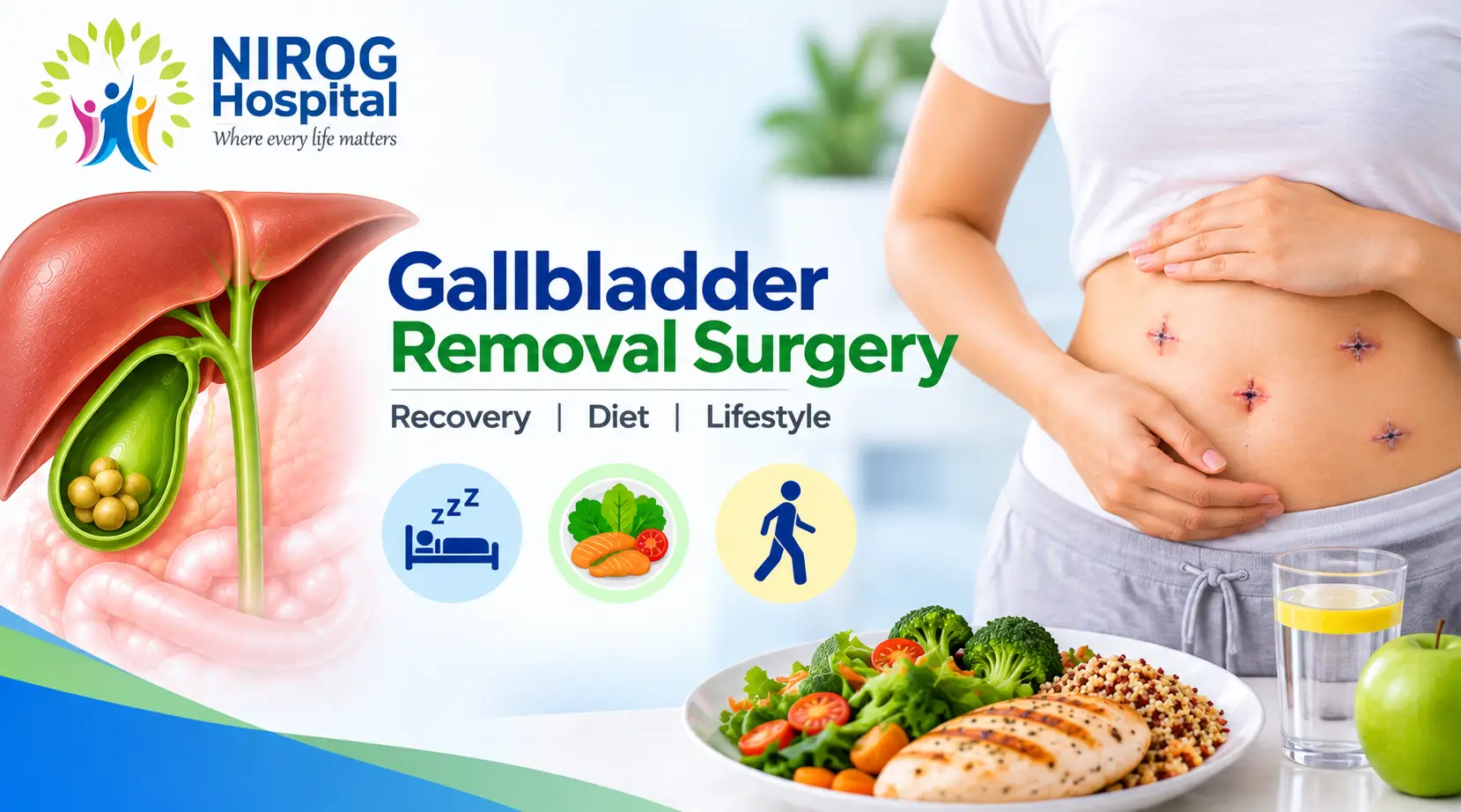
Gallbladder removal, also called cholecystectomy, is a common surgical treatment for symptomatic gallstones and certain gallbladder conditions. After surgery, most patients gradually return to their normal activities and diet, although the recovery process can vary from person to person.
Knowing what to expect after gallbladder removal can make recovery easier. This guide covers recovery, diet, physical activity, lifestyle changes and warning signs that may require medical attention.

What Is Gallbladder Removal Surgery?
Gallbladder removal surgery is known as cholecystectomy. It involves removing the gallbladder when gallstones or another gallbladder condition causes symptoms or complications.
The gallbladder stores bile produced by the liver. After the gallbladder is removed, the liver continues to produce bile, which flows directly into the digestive system.
For more information about the procedure, visit gallbladder surgery in Patna at Nirog Hospital.
Why Is Gallbladder Removal Performed?
A doctor may recommend gallbladder removal when a patient has symptomatic or complicated gallbladder disease.
Common reasons can include:
- Symptomatic gallstones
- Repeated episodes of gallbladder pain
- Acute or recurrent cholecystitis
- Gallbladder inflammation or infection
- Certain gallstone-related complications
- Selected problems affecting the bile ducts
The need for surgery depends on the diagnosis, symptoms, test results and overall health of the patient.
Types of Gallbladder Removal Surgery
Laparoscopic Cholecystectomy
Laparoscopic gallbladder removal is a minimally invasive procedure performed through small abdominal incisions using specialized surgical instruments and a camera.
This approach is commonly used when it is considered appropriate for the patient's condition.
Open Cholecystectomy
Open gallbladder removal involves a larger abdominal incision. It may be considered when laparoscopic surgery is not suitable or when the surgical team determines that an open approach is safer or necessary.

Gallbladder Removal Recovery
Recovery after gallbladder removal varies depending on the surgical approach, general health and whether there were complications before or during surgery.
During the early recovery period, patients may experience temporary tiredness, abdominal discomfort or changes in digestion. Following the surgeon's postoperative instructions is important for a safe recovery.
Rest and Gradual Activity
Rest is important during the initial recovery period. Gentle movement and walking may be encouraged as advised by the healthcare team.
Physical activity should be increased gradually. Avoid strenuous exercise, heavy lifting or activities that cause pain until your surgeon advises that they are appropriate.
Follow-Up Appointments
Attend scheduled follow-up appointments so your doctor can assess healing and address any symptoms or concerns after surgery.
Diet After Gallbladder Removal
There is no single diet that is appropriate for every patient after gallbladder surgery. Many people initially find smaller, lighter meals easier to tolerate and gradually return to their regular diet.
Your doctor may recommend temporarily limiting foods that cause digestive discomfort.
Foods That May Be Easier to Tolerate
- Small and frequent meals
- Fresh fruits and vegetables as tolerated
- Whole grains and other high-fibre foods introduced gradually
- Lean sources of protein
- Adequate fluids
Foods to Limit During Early Recovery
- Very fatty meals
- Greasy or fried foods
- Very large meals
- Foods that consistently trigger bloating or loose stools
Food tolerance varies between individuals. If a particular food causes discomfort, discuss your symptoms with your healthcare professional.

Why Can Digestion Change After Gallbladder Removal?
The gallbladder stores and concentrates bile before releasing it during digestion. After gallbladder removal, bile continues to be produced by the liver but flows directly into the intestine.
Because of this change, some people may temporarily notice digestive symptoms such as loose stools, bloating or discomfort after eating certain foods.
These symptoms often vary from person to person. Persistent or severe digestive problems should be discussed with a healthcare professional.
Lifestyle After Gallbladder Removal
After recovering from surgery, many people can return to their usual daily activities and lifestyle. Maintaining healthy eating habits, regular physical activity and a healthy body weight can support overall health.
Stay Physically Active
Once your surgeon allows you to increase activity, regular movement and exercise can become part of your normal routine. Begin gradually and follow the activity restrictions provided after surgery.
Maintain Healthy Eating Habits
A balanced diet with appropriate portions can support digestive and overall health. Pay attention to foods that cause discomfort and discuss persistent symptoms with your doctor.
Follow Medical Advice
Take prescribed medicines as directed and attend follow-up appointments. Do not stop or change prescribed medication without discussing it with your healthcare professional.
What to Expect After Gallbladder Removal
| Area | What to Expect |
|---|---|
| Diet | Gradual return to a balanced diet based on individual tolerance |
| Activity | Gradual increase in physical activity according to medical advice |
| Digestion | Temporary changes may occur in some people |
| Follow-up | Attend appointments recommended by your surgical team |
| Lifestyle | Many people can return to their usual lifestyle after recovery |
Possible Digestive Changes After Surgery
Some people may experience changes in bowel habits after gallbladder removal. These can include loose stools, increased bowel movements, bloating or discomfort after certain meals.
If symptoms are persistent, severe or affecting your daily life, speak with your doctor. Further evaluation may be needed to determine the cause and appropriate management.
Warning Signs After Gallbladder Surgery
Contact your healthcare team if you develop symptoms that are unusual, worsening or concerning after surgery.
Seek prompt medical attention for symptoms such as:
- Severe or worsening abdominal pain
- Persistent vomiting
- Fever or chills
- Increasing redness, swelling or discharge around the incision
- Yellowing of the skin or eyes
- Difficulty eating or drinking
- Other sudden or concerning symptoms
Do not ignore severe or rapidly worsening symptoms during postoperative recovery.
Tips for a Smoother Recovery
- Follow your surgeon's postoperative instructions carefully.
- Keep surgical wounds clean and follow wound-care instructions.
- Start with meals that you tolerate comfortably.
- Drink adequate fluids unless your doctor has advised otherwise.
- Increase physical activity gradually.
- Avoid heavy lifting until medically cleared.
- Attend scheduled follow-up appointments.
- Report persistent or worsening symptoms to your healthcare team.
Government Guidance on Gallbladder Surgery
The Government of India Standard Treatment Guidelines provide information related to symptomatic gallstone disease, cholecystectomy and related management considerations.
Medical recommendations can vary depending on the patient's diagnosis and clinical condition, so individual treatment decisions should be made with a qualified healthcare professional.
Gallbladder Removal Surgery in Patna
If you have symptomatic gallstones or another gallbladder condition, professional evaluation can help determine whether surgery is appropriate.
Nirog Hospital provides gallbladder surgery in Patna, along with evaluation and treatment planning for gallbladder conditions.
You can also learn more about gallbladder treatment in Patna and general and laparoscopic surgery in Patna.
Conclusion
Gallbladder removal can be an effective surgical treatment for symptomatic gallstones and certain gallbladder conditions. After surgery, recovery generally involves following medical instructions, gradually increasing activity and adjusting the diet according to individual tolerance.
Digestive changes can occur in some patients, especially during the early recovery period. Persistent or concerning symptoms should always be discussed with a healthcare professional.
If you are considering gallbladder surgery, an evaluation by a qualified surgeon can help determine the most appropriate treatment for your condition.
Related Treatments & Services
Specialized medical departments and care related to this article at Nirog Hospital:
Frequently Asked Questions
Quick answers to common questions regarding this topic
Q. How long does recovery take after gallbladder removal?
Q. Can I live normally after gallbladder removal?
Q. Should I avoid fatty foods after gallbladder removal?
Q. What symptoms should I watch for after gallbladder surgery?
Q. Does gallbladder removal affect digestion?
Q. Where can I get gallbladder surgery in Patna?
Related Tags:
Ajit Kumar
Healthcare Content Writer
Jeevan Deep is a healthcare content writer focused on creating clear, informative, and patient-friendly content on medical conditions, treatments, procedures, and healthcare services. The content is developed to help patients and families better understand their healthcare options and make informed decisions.