
 By Ajit Kumar
Can Gallbladder Problems Be Treated Without Surgery
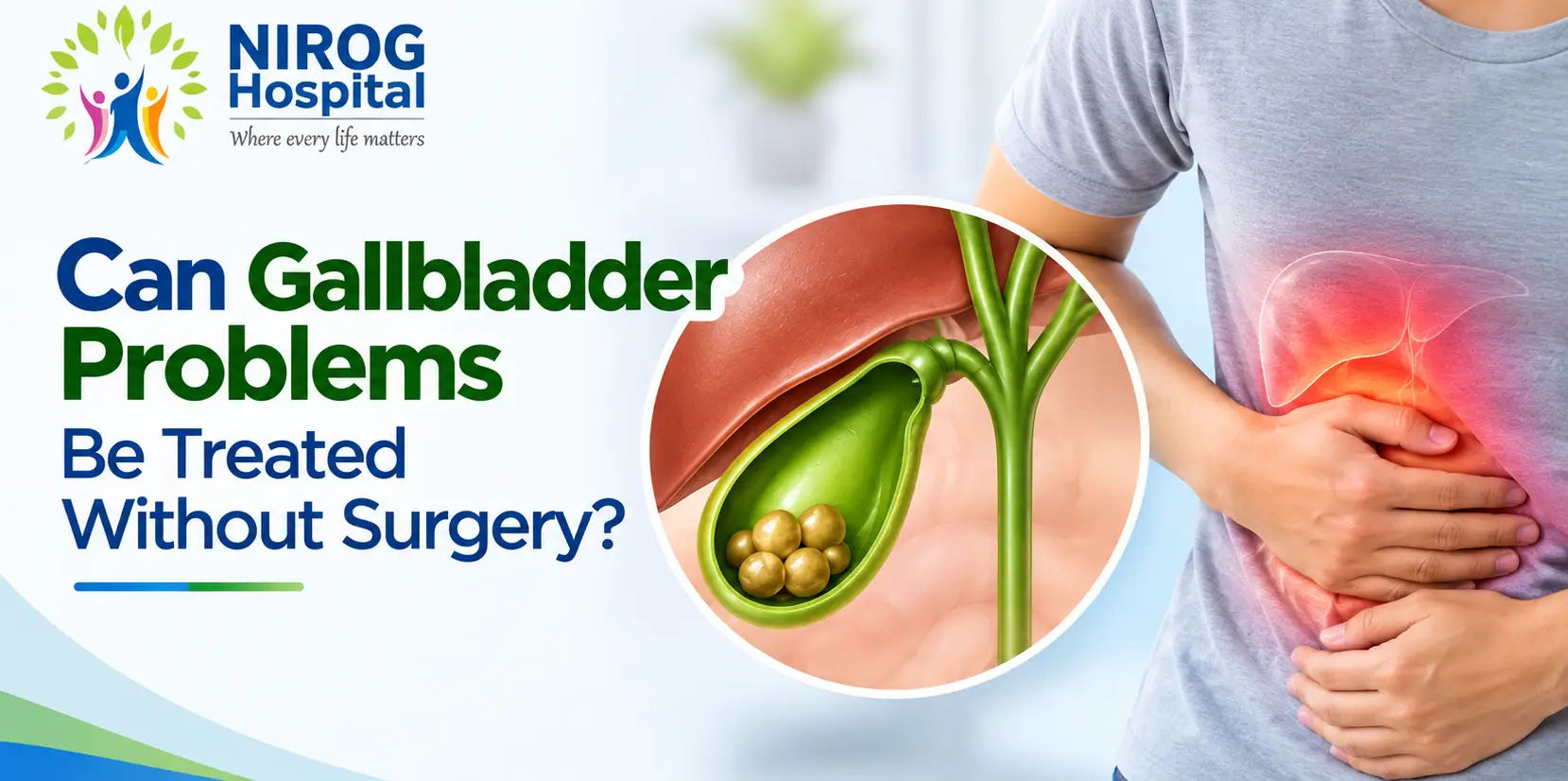
Gallbladder problems do not always require surgery. Some people with gallstones or other gallbladder conditions may not need immediate treatment if they have no symptoms or complications. However, recurring abdominal pain, inflammation, infection or bile duct problems may require medical or surgical treatment.
The appropriate treatment depends on the cause, symptoms, diagnostic findings and overall health. Understanding when conservative treatment may be suitable and when gallbladder surgery may be recommended can help patients make informed healthcare decisions.

Can Gallbladder Problems Be Treated Without Surgery?
Yes, some gallbladder problems can be managed without immediate surgery. For example, gallstones that are found incidentally and are not causing symptoms may sometimes be monitored rather than treated immediately.
Depending on the condition, non-surgical management may include observation, dietary changes, symptom management and treatment of an underlying condition. However, these approaches are not appropriate for every patient.
When gallstones or another gallbladder condition causes repeated symptoms or complications, gallbladder surgery may be recommended after a medical evaluation.
When May Gallbladder Problems Not Require Surgery?
The presence of gallstones does not always mean that a person needs an operation. Treatment decisions are based on whether the stones or gallbladder condition is causing symptoms or complications.
Asymptomatic Gallstones
Some people have gallstones without experiencing abdominal pain or other related symptoms. In such cases, a doctor may recommend observation and follow-up rather than immediate gallbladder removal.
Mild or Occasional Symptoms
If symptoms are mild or occasional, a healthcare professional may first evaluate the underlying cause and recommend appropriate dietary or medical measures. Persistent or worsening symptoms should be assessed promptly.
Non-Surgical Gallbladder Treatment Options
Non-surgical management varies according to the specific gallbladder condition. Possible approaches include:
- Medical evaluation and monitoring
- Dietary and lifestyle changes
- Medicines for selected conditions or symptoms
- Treatment of infection when clinically indicated
- Follow-up blood tests or imaging when required
Non-surgical treatment does not necessarily remove existing gallstones. If a patient develops recurrent symptoms or complications, surgical treatment may become appropriate.
Dietary Changes
A balanced diet can support overall digestive health. Some people with gallbladder symptoms find that fatty or heavy meals worsen their discomfort, so reducing foods that trigger symptoms may be advised.
Dietary changes can help with symptom management in some patients but should not replace medical evaluation when gallbladder disease is suspected.
Medicines
Medicines may be prescribed in selected circumstances to manage symptoms or treat a specific gallbladder-related condition. The choice of medicine depends on the diagnosis and should be made by a qualified healthcare professional.
Patients should avoid taking unverified medicines or supplements marketed as treatments for gallstones without medical advice.

When Is Gallbladder Surgery Recommended?
Gallbladder surgery, also known as cholecystectomy, may be recommended when gallstones or another gallbladder condition causes significant symptoms or complications.
Surgery may be considered for conditions such as:
- Symptomatic gallstones
- Repeated episodes of gallbladder pain
- Acute or recurrent cholecystitis
- Gallbladder infection or inflammation
- Selected gallstone-related complications
- Problems involving the bile ducts
The decision to undergo surgery should be based on a clinical assessment, diagnostic findings and the patient's individual circumstances.
What Is Gallbladder Surgery?
Gallbladder surgery involves removing the gallbladder and is called cholecystectomy. The procedure is commonly performed when symptomatic or complicated gallbladder disease requires definitive treatment.
In suitable patients, laparoscopic gallbladder surgery uses small incisions and specialized instruments. Open surgery may be considered in certain situations based on the patient's condition and the surgeon's assessment.
Learn more about gallbladder surgery in Patna and the treatment options available at Nirog Hospital.
Gallbladder Surgery vs Non-Surgical Treatment
| Treatment Approach | When It May Be Considered |
|---|---|
| Monitoring | Some patients with gallstones that do not cause symptoms |
| Dietary changes | May help manage symptoms triggered by certain foods |
| Medication | Selected conditions or symptom management under medical supervision |
| Gallbladder surgery | Symptomatic disease or certain complications requiring surgical treatment |
There is no single treatment that is right for everyone. A healthcare professional should determine the most appropriate option after evaluating the patient's condition.
How Are Gallbladder Problems Diagnosed?
Before deciding whether gallbladder surgery is necessary, doctors may evaluate symptoms, medical history and physical examination findings. Diagnostic tests may then be recommended.
Abdominal Ultrasound
Abdominal ultrasound is commonly used to detect gallstones and assess the gallbladder and surrounding structures.
Blood Tests
Blood tests can help identify signs of inflammation, infection or changes affecting liver and biliary function.
CT Scan
CT imaging may be recommended when additional information is needed or when complications are suspected.
MRI or MRCP
MRI or magnetic resonance cholangiopancreatography may be used in selected cases to evaluate the bile ducts and related structures.
For additional evidence-based information, refer to the Government of India Standard Treatment Guidelines for gallstone-related care.
Can Gallstones Be Treated Without Removing the Gallbladder?
In some situations, gallstones that do not cause symptoms may simply be monitored. Certain medicines may be considered for selected patients, but they are not appropriate for every type of gallstone or every patient.
When gallstones repeatedly cause pain or lead to complications, removing the gallbladder may provide definitive treatment. Your surgeon can explain the benefits, risks and alternatives based on your diagnosis.
Symptoms That Should Not Be Ignored
Gallbladder symptoms should be medically evaluated when they are recurring, severe or associated with other warning signs.
- Severe or persistent upper abdominal pain
- Fever or chills
- Repeated vomiting
- Yellowing of the skin or eyes
- Dark urine or unusually pale stools
- Increasing abdominal pain
These symptoms may indicate inflammation, infection or a problem affecting bile flow and may require prompt medical attention.

Gallbladder Treatment in Patna
Nirog Hospital provides evaluation and treatment for gallbladder conditions in Patna. Depending on the diagnosis, treatment may include medical management, monitoring or surgical treatment when clinically appropriate.
Explore gallbladder treatment in Patna to learn more about evaluation and treatment options.
Patients looking specifically for treatment of stones can also explore gallbladder stone treatment in Patna.
Conclusion
Not every gallbladder problem requires immediate surgery. Some patients may be managed with monitoring, dietary measures or selected medical treatment when symptoms and complications are absent.
However, recurring gallbladder pain, inflammation, infection or other complications may make gallbladder surgery the appropriate treatment. Getting an accurate diagnosis is the first step toward choosing the right approach.
Frequently Asked Questions
Quick answers to common questions regarding this topic
Q. Can gallstones go away without surgery?
Q. When is gallbladder surgery necessary?
Q. Can diet dissolve gallstones?
Q. Is laparoscopic gallbladder surgery commonly performed?
Q. What happens if gallbladder problems are left untreated?
Q. Where can I get gallbladder treatment in Patna?
Related Tags:
Ajit Kumar
Healthcare Content Writer
Jeevan Deep is a healthcare content writer focused on creating clear, informative, and patient-friendly content on medical conditions, treatments, procedures, and healthcare services. The content is developed to help patients and families better understand their healthcare options and make informed decisions.