
Common Causes of Knee Pain and Effective Treatment Options
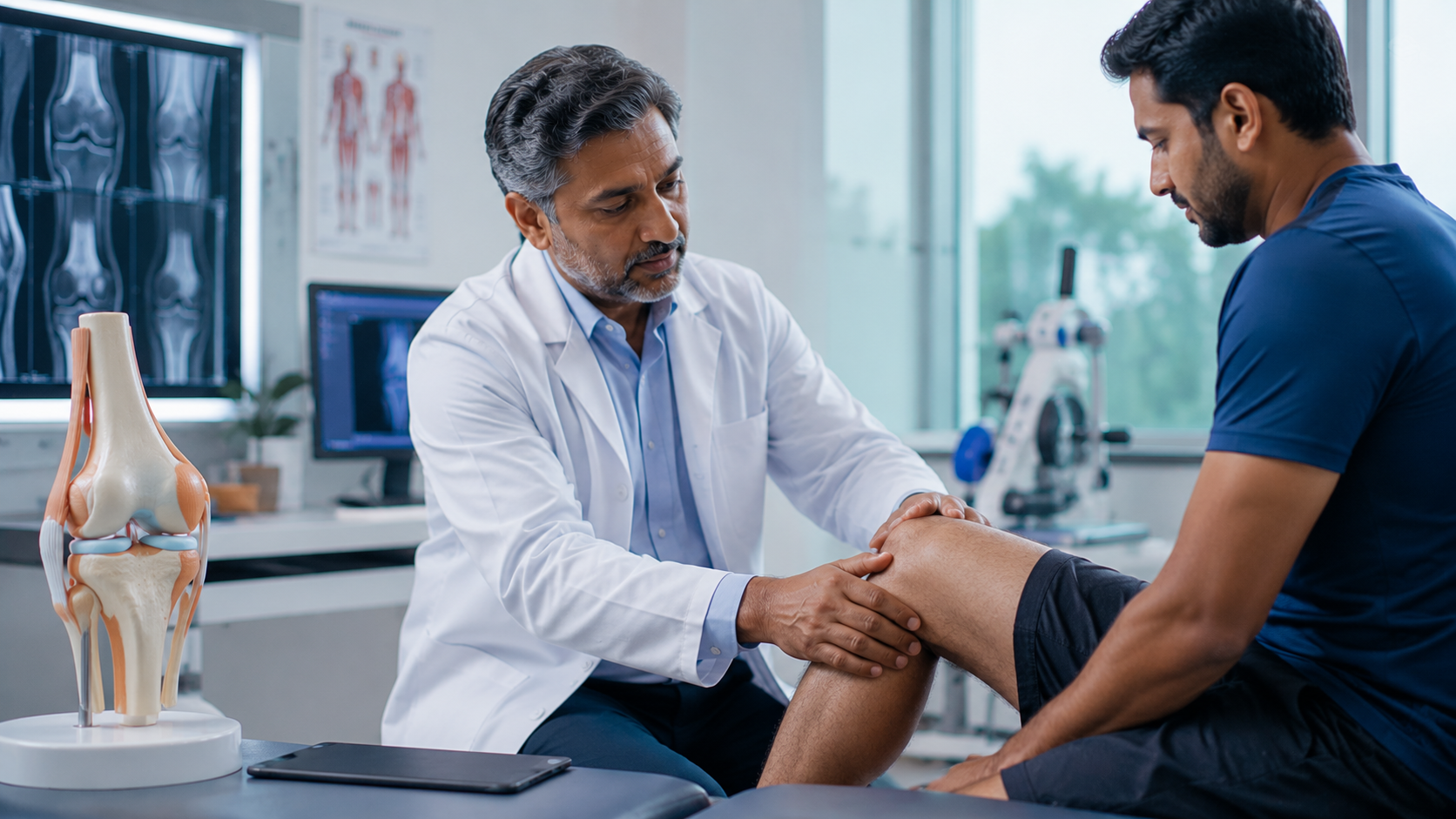
Knee pain is one of the most common musculoskeletal complaints affecting people of all ages. Whether caused by injury, aging, overuse, or underlying medical conditions, knee pain can significantly impact mobility and quality of life. The knee is a complex joint that supports body weight and enables movement, making it vulnerable to wear and tear as well as sudden injuries.
Understanding the causes of knee pain and seeking timely treatment can help prevent complications and promote faster recovery. Early diagnosis and appropriate care are essential for maintaining joint health and restoring normal function.
1. Osteoarthritis
Osteoarthritis is one of the leading causes of knee pain, particularly among older adults. It occurs when the protective cartilage cushioning the knee joint gradually wears away.
Common Symptoms:
- Knee pain during movement
- Joint stiffness
- Swelling around the knee
- Reduced flexibility
- Cracking or grinding sensation
Treatment Options:
- Weight management
- Physical therapy
- Pain-relief medications
- Joint-strengthening exercises
- Advanced orthopedic interventions when necessary
2. Ligament Injuries
Ligaments help stabilize the knee joint. Injuries to ligaments, especially the ACL (Anterior Cruciate Ligament), are common among athletes and active individuals.
Common Symptoms:
- Sudden pain after injury
- Swelling
- Instability while walking
- Difficulty bearing weight
Treatment Options:
- Rest and ice therapy
- Knee braces
- Physiotherapy
- Surgical reconstruction in severe cases
3. Meniscus Tears
The meniscus is a cartilage structure that acts as a shock absorber within the knee joint. Sudden twisting movements or degeneration can cause tears.
Common Symptoms:
- Pain while twisting the knee
- Swelling
- Locking sensation
- Limited range of motion
Treatment Options:
- Rest and activity modification
- Physiotherapy
- Anti-inflammatory medications
- Arthroscopic surgery when required
4. Tendinitis
Tendinitis occurs when the tendons around the knee become inflamed due to repetitive stress or overuse.
Common Symptoms:
- Pain during activity
- Tenderness around the kneecap
- Swelling
- Stiffness
Treatment Options:
- Activity modification
- Ice application
- Physical therapy
- Strengthening exercises
5. Bursitis
Bursae are fluid-filled sacs that reduce friction around the joints. Inflammation of these sacs can cause knee bursitis.
Common Symptoms:
- Swelling around the knee
- Tenderness
- Warmth and redness
- Pain with movement
Treatment Options:
- Rest
- Ice therapy
- Anti-inflammatory medication
- Medical drainage if necessary
6. Rheumatoid Arthritis
Rheumatoid arthritis is an autoimmune disease that causes inflammation of the joints, including the knees.
Common Symptoms:
- Persistent joint pain
- Morning stiffness
- Swelling in both knees
- Fatigue
Treatment Options:
- Disease-modifying medications
- Physical therapy
- Lifestyle modifications
- Regular medical monitoring
7. Patellofemoral Pain Syndrome
Often referred to as "runner's knee," this condition causes pain around the front of the kneecap.
Common Symptoms:
- Pain while climbing stairs
- Discomfort after prolonged sitting
- Knee pain during exercise
- Grinding sensation
Treatment Options:
- Corrective exercises
- Physical therapy
- Activity modification
- Proper footwear
Risk Factors for Knee Pain
Several factors increase the likelihood of developing knee pain:
- Aging
- Obesity
- Previous knee injuries
- Repetitive physical activity
- Poor posture
- Muscle weakness
- Arthritis
- Sports-related stress
Addressing these risk factors can help reduce the chances of chronic knee problems.
Effective Treatment Approaches for Knee Pain
Conservative Treatments
Many knee conditions improve with non-surgical care:
- Rest and activity modification
- Ice and compression therapy
- Physical therapy
- Weight management
- Pain-relief medications
- Strengthening exercises
Advanced Orthopedic Care
In more severe cases, treatment may include:
- Joint injections
- Arthroscopic procedures
- Ligament reconstruction
- Cartilage repair techniques
- Knee replacement surgery
The most appropriate treatment depends on the underlying cause and severity of symptoms.
Common Causes of Knee Pain at a Glance
| Cause of Knee Pain | Common Symptoms | Treatment Approach |
|---|---|---|
| Osteoarthritis | Stiffness, swelling, pain | Therapy, medication, lifestyle changes |
| Ligament Injury | Instability, swelling | Physiotherapy or surgery |
| Meniscus Tear | Locking, pain, swelling | Therapy or arthroscopy |
| Tendinitis | Activity-related pain | Rest and strengthening exercises |
| Bursitis | Swelling and tenderness | Ice, medication, drainage |
| Rheumatoid Arthritis | Chronic inflammation | Medical management |
| Runner's Knee | Front knee pain | Physiotherapy and exercise |

When Should You See an Orthopedic Specialist?
Seek medical attention if you experience:
- Severe knee pain
- Inability to bear weight
- Persistent swelling
- Joint deformity
- Knee locking or instability
- Symptoms lasting more than a few weeks
- Difficulty performing daily activities
Early diagnosis helps prevent further joint damage and improves treatment outcomes.
Knee pain can result from a variety of causes, ranging from minor overuse injuries to chronic joint conditions such as arthritis. Identifying the underlying cause is essential for choosing the most effective treatment and preventing long-term complications.
Maintaining a healthy weight, staying physically active, practicing proper exercise techniques, and seeking timely medical care can help preserve knee health and improve mobility. If knee pain persists or affects your daily life, consulting an orthopedic specialist is the best step toward recovery.
Medical Expertise & Orthopedic Care
Nirog Hospital
Department of Orthopedics & Joint Care
Guided by experienced orthopedic specialists dedicated to diagnosing and treating bone, joint, and musculoskeletal conditions.
Nirog Hospital provides comprehensive orthopedic care, advanced diagnostics, rehabilitation services, and personalized treatment plans to help patients regain mobility and live pain-free lives.