

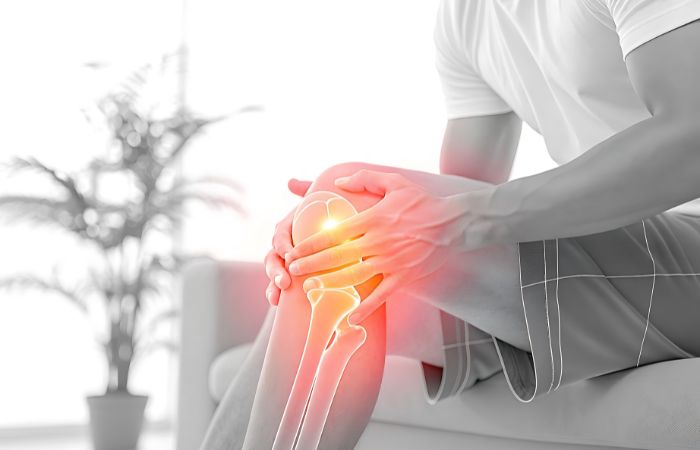
Joint pain is a common problem affecting people of all ages, not just the elderly. Poor posture, lack of physical activity, excess weight, stress on joints, and unhealthy daily routines can slowly damage joint health. Many people ignore early stiffness or mild pain, assuming it is temporary, but over time this can develop into chronic joint issues. The good news is that joint pain can often be prevented or reduced with simple, consistent daily habits. Small lifestyle changes play a powerful role in maintaining joint flexibility, strength, and long-term mobility.
1. Stay Physically Active Every Day
Regular movement keeps joints flexible and well-lubricated. Long hours of sitting cause stiffness and weaken the muscles that support joints. Activities like walking, stretching, yoga, and light exercises improve blood circulation and reduce joint stress. Even gentle daily movement can prevent stiffness and pain.
2. Maintain a Healthy Body Weight
Excess body weight puts extra pressure on weight-bearing joints such as knees, hips, and ankles. This accelerates joint wear and tear and increases the risk of arthritis. Maintaining a healthy weight reduces joint load and helps prevent pain and inflammation.

3. Practice Correct Posture
Poor posture while sitting, standing, or using mobile phones and laptops strains the neck, back, and knee joints. Sitting with a straight back, keeping screens at eye level, and avoiding slouching protects joints from unnecessary stress. Proper posture supports long-term joint health.
4. Include Joint-Friendly Foods in Your Diet
Nutrition plays an important role in joint health. Foods rich in calcium, vitamin D, omega-3 fatty acids, and antioxidants help strengthen bones and reduce inflammation. Leafy greens, fruits, nuts, seeds, dairy products, and fish support joint lubrication and flexibility.
5. Stay Hydrated
Joints need adequate hydration to function smoothly. Dehydration reduces lubrication in joints, leading to stiffness and discomfort. Drinking enough water daily helps maintain joint cushioning and prevents dryness and inflammation.
6. Avoid Sudden or Excessive Strain
Lifting heavy objects incorrectly, sudden intense workouts, or repetitive stress can injure joints. Warming up before exercise, lifting with proper technique, and avoiding overexertion protect joints from damage.
7. Get Enough Rest and Sleep
Sleep allows the body to repair tissues, including joints and muscles. Poor sleep increases inflammation and pain sensitivity. Maintaining a regular sleep schedule supports joint recovery and overall health.
8. Don’t Ignore Early Joint Symptoms
Mild stiffness, swelling, or pain is often the first sign of joint problems. Ignoring these symptoms can worsen the condition. Early consultation and preventive care help avoid long-term joint damage.
Daily Habits for Joint Health & Pain Prevention
| Daily Habit | Benefit for Joints | Preventive Tip |
|---|---|---|
| Regular physical activity | Keeps joints flexible and strong | Walk, stretch, or do yoga daily |
| Maintaining healthy weight | Reduces pressure on joints | Follow balanced diet and exercise |
| Correct posture | Prevents joint strain and stiffness | Sit and stand with proper alignment |
| Eating nutrient-rich foods | Reduces inflammation, strengthens joints | Include calcium, omega-3, vitamin D |
| Drinking enough water | Improves joint lubrication | Drink 8–10 glasses of water daily |
| Avoiding heavy strain | Prevents joint injury | Warm up and lift correctly |
| Adequate sleep | Supports joint repair | Sleep 7–8 hours nightly |
| Early medical consultation | Prevents chronic joint problems | Don’t ignore pain or stiffness |
Medical Expertise & Care
Nirog Hospital
Department of Orthopedics & General Medicine
Guided by Senior Orthopedics & General Medicine
Nirog Hospital is committed to providing ethical, affordable, and patient-centered care, supporting joint health and mobility through preventive guidance and advanced medical treatment.
